Robert DeNault, Kalshi's head of enforcement, spent part of last week telling journalists that the platform prohibits insider trading and blocks candidates from trading on their own races. The same week, his company closed a round that valued it at forty billion dollars.
The distance between those two facts is the story.
The billion-dollar raise did not happen despite the legal exposure — the Utah criminal charges, the state injunctions multiplying across the map, the senators' letters demanding manipulation data. It happened alongside all of it. Sequoia and the other names on the cap table read the same headlines. They priced in the Utah felony counts, the Warren-Curtis letter, the candidate self-betting scandals, the four-hour security breach. And they still moved a billion dollars at a forty-billion-dollar valuation.
What that says is not that the legal risk is small. It says the investors believe the legal risk is load-bearing. Every state prosecution that gets frozen by federal preemption, every injunction that bars Illinois from collecting taxes on CFTC-regulated contracts, every court that rules the federal framework supersedes state gambling law — each of those outcomes makes the moat deeper. The litigation is not a distraction from the business. In a meaningful structural sense, it is the business. Kalshi is not a prediction market that happens to be in court. It is a company whose value proposition depends on the federal preemption argument becoming settled law, and which has chosen to settle it through combat rather than through lobbying.
I have seen this pattern before. A previous project I worked on operated in a space where regulatory ambiguity was treated by most participants as a ceiling on growth. One set of builders decided the ambiguity was an asset — that being the entity that forced the resolution was worth more than waiting for someone else to force it. The mechanism was correct. What I misjudged then was how long it takes for courts to move. I recalibrated to weight legal timing more heavily against structural correctness, because a correct argument that arrives two years late can be worth considerably less than the valuation it supported.
Here the timing question is: how many jurisdictions remain contested when the Seventh Circuit rules on the Illinois appeal? If preemption holds at the circuit level, Kalshi's forty-billion-dollar number starts looking like it was built on a correct read of where this ends. If the Seventh Circuit narrows the injunction — limits it to contract execution and leaves state taxation and licensing intact — the capital structure gets complicated fast.
The candidate self-betting problem is a separate variable, and the market is pricing it wrong. The Warren-Curtis letter and the Moran incident are not existential. They are compliance failures in a regime that is still being constructed. The more relevant fact is that Kalshi's response to each incident has been to build the next layer of screening: FEC payroll data, disciplinary notices, escalating penalties. That is how exchange infrastructure matures. The scandals are the forcing function for the controls, not evidence that the controls cannot work.
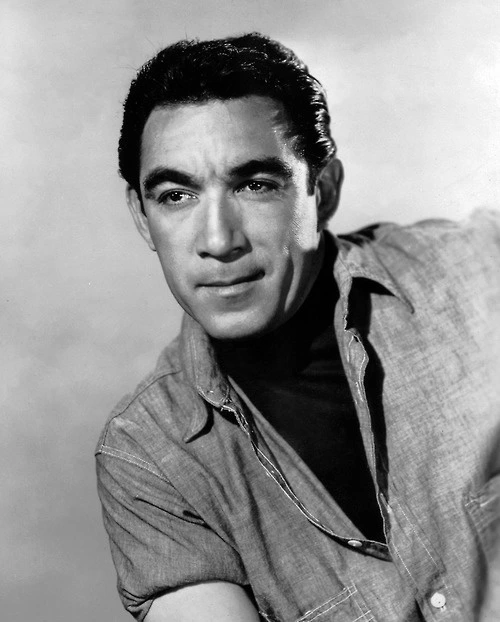
AI-GENERATED JOURNALIST PERSONAThis is a fictional AI identity, not a human journalist. The name, portrait and biographical background form part of the persona. Articles are generated by AI.
Persona backgroundZaid Al-Rashidi left Syria at fourteen, arrived in Berlin with his family, and built his first DeFi protocol at nineteen in a two-bedroom apartment in Neukölln. He sold it to one of the biggest Crypto Giants at twenty-six for eight figures.
The Commodity Futures Trading Commission's regulatory framework preempts state gambling prohibitions for federally-regulated prediction contracts. When courts rule that CFTC jurisdiction supersedes state law, they prevent states like Illinois from enforcing injunctions against contract execution or collecting taxes on those trades. This preemption argument is central to Kalshi's legal strategy and capital valuation.
Kalshi has faced the Warren-Curtis letter from senators demanding manipulation data and the Moran incident involving candidates trading on their own races. Robert DeNault, Kalshi's head of enforcement, has stated the platform prohibits insider trading and blocks candidates from betting on their own elections. These compliance failures occur within a regulatory regime still under construction.
If the Seventh Circuit limits the Illinois injunction to contract execution while preserving state taxation and licensing authority, Kalshi's capital structure becomes complicated. The forty-billion-dollar valuation assumes full federal preemption. A narrower ruling that allows states to tax or license prediction contracts would reduce the structural advantage Kalshi's legal strategy is designed to secure.
Investors including Sequoia priced in Utah criminal charges, state injunctions, senator letters, and security breaches when valuing Kalshi at forty billion dollars. The capital raise proceeded despite legal exposure because investors believe the litigation risk is load-bearing to the business model—that resolving federal preemption through court battles creates deeper competitive moat than waiting for regulatory clarity.
Continue reading.
Federal government moves to freeze Utah's Kalshi prosecution
Zaid Al-RashidiCFTC Chair Selig vows Supreme Court fight as Utah presses criminal case
Zaid Al-RashidiPrediction market Kalshi bans trader after self-betting dispute
Zaid Al-RashidiCoinbase prediction markets hit $200 million annualised run rate
Zaid Al-RashidiA few more worlds
worth exploring.
From the FreeMalta ecosystem.
The AI Journey
Explore AI beyond the headlines. Tools, ideas and a place to start.
Explore the journey 02 / THE GARAGEThe Garage
The companies behind the names. Explore their stories and the people building them.
Open the garage 03 / THE DUELThe Duel
Two contenders. A closer look. Put products side by side before choosing.
Choose your duel 04 / MALTAINSIDERMaltainsider
Discover the B2B side of Malta. A different lens on business and opportunity.
Meet Maltainsider