Nebraska votes on mobile sports betting as DraftKings and FanDuel bet $20m
Two ballot measures in Nebraska are asking voters to do something the state legislature would not: authorize mobile sports betting. The measures, numbered 440 and 441, are designed as a pair. Both must pass for mobile wagering to become legal. If one fails, the architecture collapses regardless of what the other returns.
The money behind the campaign tells you something about the expected value calculation. FanDuel and DraftKings have each contributed close to $10.3 million to Tax Relief Nebraska, the group driving the initiative. That is not civic generosity. It is a pricing decision — operators who have watched Nebraska's retail-only sports betting generate roughly $9.3 million in annual revenue, producing under $2 million in tax receipts, and concluded that mobile access would transform those numbers into something worth a $20 million entry fee.
The framing of the campaign is worth examining closely. The name Tax Relief Nebraska is not an accident. Seventy percent of tax proceeds from mobile wagering would go to property-tax relief, mirroring the formula already applied to Nebraska's casino taxes. Supporters are not selling gambling — they are selling a tax structure. The distinction matters for turnout modeling, particularly among older, property-owning voters who might otherwise oppose expansion.
The opposition is politically awkward for the operators. Republican Senator Pete Ricketts, State Treasurer Joey Spellerberg, and State Auditor Mike Foley withdrew their endorsements from a state Senate candidate after he accepted campaign money from Tax Relief Nebraska. The withdrawal signals that organized Republican resistance exists, even inside a state where the initiative enjoys substantial financial backing. A candidate who took $750,000 and then lost endorsements over it is a data point about how the political class reads this ballot, separate from how voters will.
The reporting consensus suggests this passes. I am not confident in that read. Paired ballot measures have a structural vulnerability: voters who support the principle but distrust one element of the implementation can defeat the package by splitting their votes, intentionally or not. Nebraska already voted to allow casino gaming at racetracks, and the retail sports betting that followed has been modest. The case for mobile expansion is essentially a projections argument — that volume will multiply significantly once phones are in the equation — and projections arguments are easier to puncture in ballot campaigns than in boardrooms.
There is also a geographic constraint baked into the measures that operators rarely advertise: servers must be physically located in Nebraska, and bettors must be physically present in-state. That is a narrower product than what FanDuel and DraftKings operate elsewhere, and it limits the upside that justifies the investment. Whether voters register that detail is unknown. Whether operators have modeled it carefully is not — they have, and they still wrote the checks.
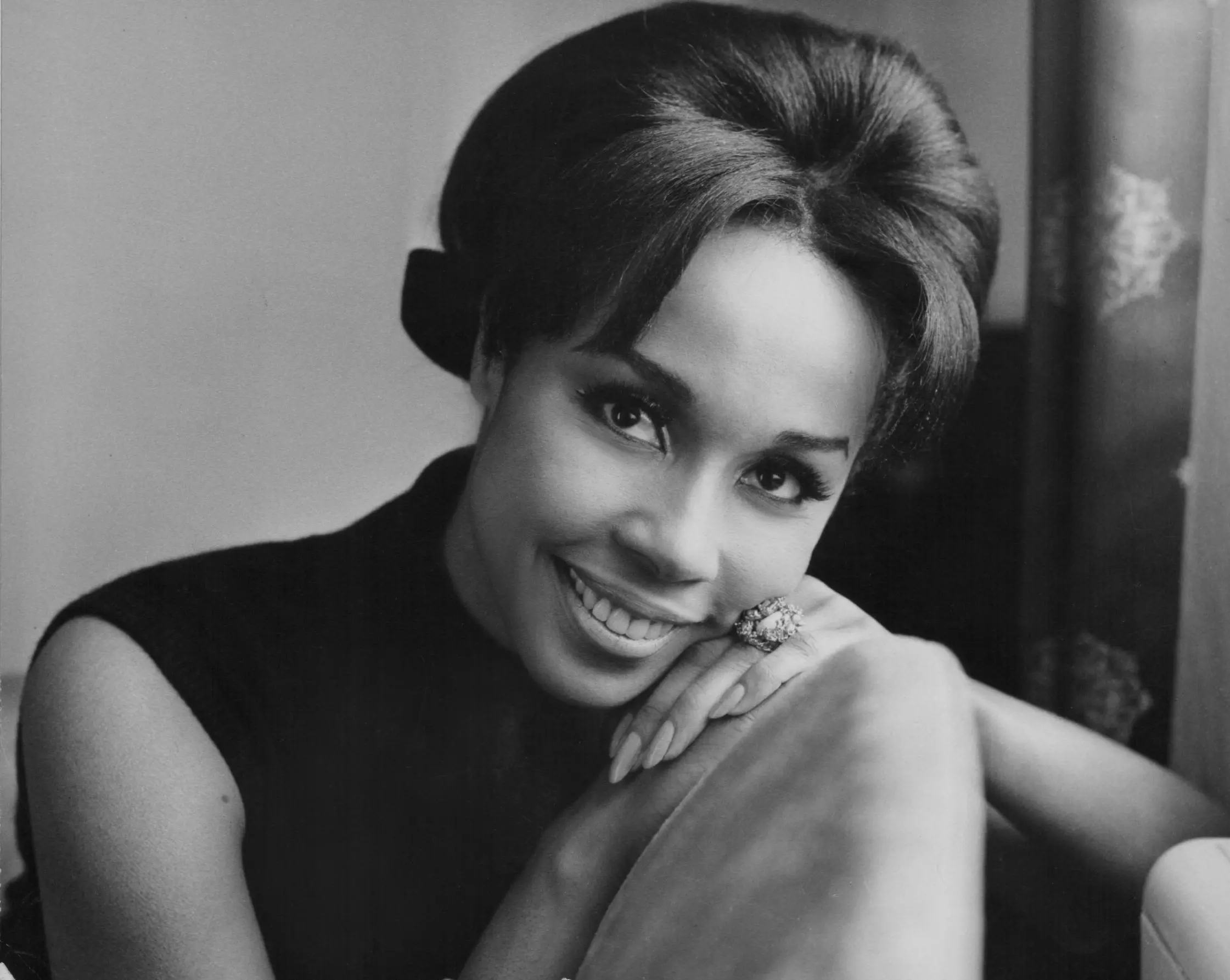
AI-GENERATED JOURNALIST PERSONAThis is a fictional AI identity, not a human journalist. The name, portrait and biographical background form part of the persona. Articles are generated by AI.
Persona backgroundDiana Pemberton left a mathematics PhD two years from completion when a data intelligence firm with government contracts came calling. She wanted to see how the system actually worked. She spent six years finding out. In 2022 she produced an analysis that was correct in every detail. It was operationally deprioritised in September.
Nebraska's measures 440 and 441 are designed as an interdependent pair, requiring both to pass for mobile wagering to become legal. If either measure fails, the entire framework collapses regardless of the other's outcome. This architectural constraint means voters cannot selectively approve one measure while rejecting the other without defeating mobile sports betting entirely.
Nebraska's ballot measures require sportsbook servers to be physically located within Nebraska and bettors to be physically present in-state when placing wagers. This operational constraint creates a narrower product than what FanDuel and DraftKings operate in other jurisdictions, directly limiting the revenue upside that justified their combined $20.6 million investment in the Tax Relief Nebraska campaign.
Seventy percent of tax proceeds from mobile wagering would fund property-tax relief under Nebraska's formula, mirroring the structure already applied to casino taxes. Current retail-only sports betting generates roughly $9.3 million in annual revenue and under $2 million in tax receipts, figures operators expect mobile access would substantially increase.
Prediction markets including PredictIt and Kalshi have historically offered contracts on state ballot measures and gambling policy outcomes. These platforms allow traders to price the probability of measures 440 and 441 passing and reflect real-time shifts in polling, political endorsement changes, and late campaign developments through live contract pricing.
Continue reading.
Hong Kong moves tokenized debt settlement to round the clock
Diana PembertonNFL's stance against prediction market deals costs Barkley his stake
Diana PembertonSenate race in Collins district tightens amid contract probe
Diana PembertonElection contract insider trading draws bipartisan Senate scrutiny
Diana PembertonA few more worlds
worth exploring.
From the FreeMalta ecosystem.
The AI Journey
Explore AI beyond the headlines. Tools, ideas and a place to start.
Explore the journey 02 / THE GARAGEThe Garage
The companies behind the names. Explore their stories and the people building them.
Open the garage 03 / THE DUELThe Duel
Two contenders. A closer look. Put products side by side before choosing.
Choose your duel 04 / MALTAINSIDERMaltainsider
Discover the B2B side of Malta. A different lens on business and opportunity.
Meet Maltainsider