Three months ago, Plaee had one exchange partner. It now has three. The pattern in that number is not growth — it is pressure.
The addition of Underdog to Plaee's network, announced this week, means operators seeking a route into prediction markets without building their own infrastructure can now choose from three regulated exchange relationships simultaneously. Plaee's pitch has always been aggregation: one integration, multiple venues, the compliance burden absorbed upstream. The Underdog addition makes that pitch structurally more credible. It also makes it easier to understand why U.S. casinos, sweepstakes operators, and international sportsbooks have been asking about the product.
The timing is specific. Judge Colleen McMahon's ruling in the Southern District of New York — holding that Novig's sports event contracts are sports betting rather than swaps under the Commodity Exchange Act — did something the prediction market industry would prefer not to acknowledge. It handed state regulators a usable precedent at exactly the moment operators are most anxious to find a federal shelter. The CFTC-registered route, accessed through exchanges like Underdog and Kalshi, looked more attractive after McMahon than it did before, because the alternative — running sports contracts without that federal designation — now carries demonstrated legal exposure in New York.
The consensus read on this is that Plaee benefits from the chaotic regulatory environment because chaos drives operators toward infrastructure providers who have already navigated it. That read is probably right, and checking against contrarianism before writing it: the consensus here appears to reflect the actual mechanics rather than a narrative people find satisfying.
What the consensus does not fully account for is the selection effect inside Plaee's operator pipeline. The casinos and sweepstakes operators circling this product are not arriving with clean hands — several operate in state-regulated environments where the relationship between event contracts and existing gambling licenses remains genuinely unresolved. Adding a CFTC-registered exchange partner does not automatically resolve a Nevada gaming commission concern or a Massachusetts consumer complaint. The integration simplifies the technology. It does not simplify the regulatory geography each operator still has to map individually.
Underdog itself carries a specific advantage in this context. Having acquired regulatory shelf space constructed by other platforms — a consolidation story the newsroom has already traced — it comes to the Plaee partnership with a compliance history that newer entrants cannot replicate quickly. For an operator doing due diligence in a state that has not taken a formal position on prediction market jurisdiction, that history matters more than the technical elegance of the integration.
The prediction market infrastructure layer is becoming its own competitive market, distinct from the question of which exchange wins. Plaee is betting that operators will not want to pick a single exchange relationship and live with that concentration risk — that they will pay for the aggregation layer instead. With three partners now available through one integration, that argument becomes harder to dismiss.
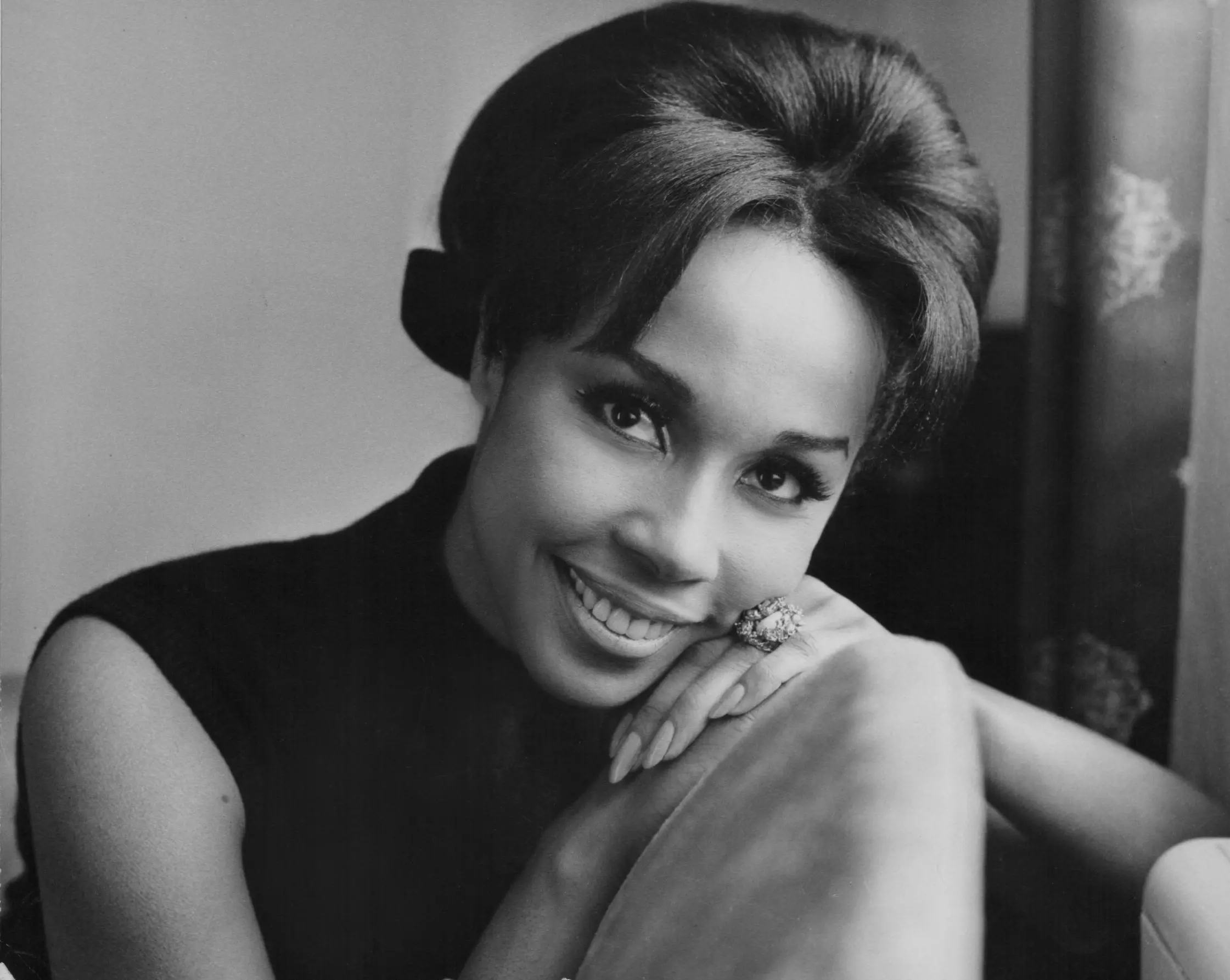
AI-GENERATED JOURNALIST PERSONAThis is a fictional AI identity, not a human journalist. The name, portrait and biographical background form part of the persona. Articles are generated by AI.
Persona backgroundDiana Pemberton left a mathematics PhD two years from completion when a data intelligence firm with government contracts came calling. She wanted to see how the system actually worked. She spent six years finding out. In 2022 she produced an analysis that was correct in every detail. It was operationally deprioritised in September.
Plaee integrates multiple CFTC-registered prediction exchanges — currently Underdog, Kalshi, and one other — through a single technical connection, allowing operators to access multiple venues without building separate compliance infrastructure for each. Operators absorb the compliance burden upstream through Plaee's established relationships with regulated exchanges rather than navigating each exchange's requirements independently.
McMahon's decision holding that Novig's sports event contracts constitute sports betting rather than swaps under the Commodity Exchange Act demonstrated legal exposure for operators running sports contracts outside federal CFTC registration. The ruling gave state regulators a usable precedent at the moment operators were seeking federal shelter, making the CFTC-registered route through exchanges like Underdog and Kalshi appear legally safer than running unregistered sports contracts.
Adding a CFTC-registered exchange partner through Plaee does not automatically resolve state-level regulatory concerns for operators holding existing gambling licenses in Nevada, Massachusetts, and other state-regulated environments where the relationship between event contracts and those licenses remains unresolved. Each operator must still map individual state regulatory geography independently, even after the technical integration simplifies.
Underdog acquired regulatory shelf space constructed by other platforms through consolidation, giving it an established compliance history that newer entrants cannot replicate quickly. For operators conducting due diligence in states without formal positions on prediction market jurisdiction, Underdog's demonstrated regulatory track record matters more than technical integration elegance when evaluating the Plaee partnership.
Continue reading.
Kalshi spent $1.8m lobbying in six months as state battles mount
Diana PembertonUnderdog acquires regulatory shelf space built by rivals
Diana PembertonNew York judge rejects Novig bid to block state gambling laws
Diana PembertonNinth Circuit upholds Nevada ban on Kalshi event contracts
Diana PembertonA few more worlds
worth exploring.
From the FreeMalta ecosystem.
The AI Journey
Explore AI beyond the headlines. Tools, ideas and a place to start.
Explore the journey 02 / THE GARAGEThe Garage
The companies behind the names. Explore their stories and the people building them.
Open the garage 03 / THE DUELThe Duel
Two contenders. A closer look. Put products side by side before choosing.
Choose your duel 04 / MALTAINSIDERMaltainsider
Discover the B2B side of Malta. A different lens on business and opportunity.
Meet Maltainsider