Nebraska sportsbook vote draws $7 million as prediction markets hit record volume
Prediction markets cleared more than $9.4 billion in notional trading volume over a single weekend, a figure that arrived in the same news cycle as DraftKings and FanDuel's latest disclosure: the two companies have together committed roughly $7 million to Nebraska's online sports betting ballot campaign.
The pairing of those two numbers is the story. One represents where regulated sports betting wants to go. The other represents what it is competing against.
Nebraska has a ballot measure in front of voters this November. DraftKings and FanDuel need it. They need new states because, as Fanatics CEO Michael Rubin said plainly in remarks to Bloomberg, revenue on a per-state basis has hit a wall in mature markets like Pennsylvania, New Jersey, and New York. The pipeline of new states is thinner than the industry projected three years ago. Seven states have legalized online casinos. Thirty-nine have legal sports betting. The map is not expanding quickly enough to absorb the marketing apparatus these companies have built.
So they spend $7 million on Nebraska, a state with a population of under two million, because that is what the marginal dollar of addressable market costs now.
Meanwhile, the prediction market side of this industry does not need Nebraska. Kalshi operates under a federal derivatives framework that gives it access to California, Texas, Florida, and Georgia — states where traditional sportsbooks cannot legally operate. Rubin acknowledged this directly: a year ago, he said, you would have called those markets impossible. They are not impossible. They are running.
The consensus read on this dynamic treats it as a regulatory arbitrage story — federal preemption giving prediction markets a temporary geographic advantage that states will eventually close. The Pacold ruling in Illinois last week gave that read some support: a federal judge found that Illinois' restrictions on what contracts could be sold, where, and to whom were likely preempted by the Commodity Exchange Act. The state's proposed transaction tax survived preliminary scrutiny. The regulatory restrictions did not.
The consensus is probably wrong about the "temporary" part, and here is the mechanism it is missing: the $9.4 billion weekend volume figure is not a ceiling, it is a baseline established before Fanatics Markets reached full marketing velocity and before Robinhood's prediction market interface reached its full distribution. The users arriving now are not migrating from DraftKings. They are people who never opened a sportsbook account. The addressable market is not shared — it is layered.
That distinction matters for how Nebraska resolves. If the $7 million campaign succeeds and Nebraska legalizes sports betting, DraftKings and FanDuel gain a state. They do not gain the users who found prediction markets through a brokerage app and have no particular interest in a sportsbook. Those users were never in the Nebraska vote.
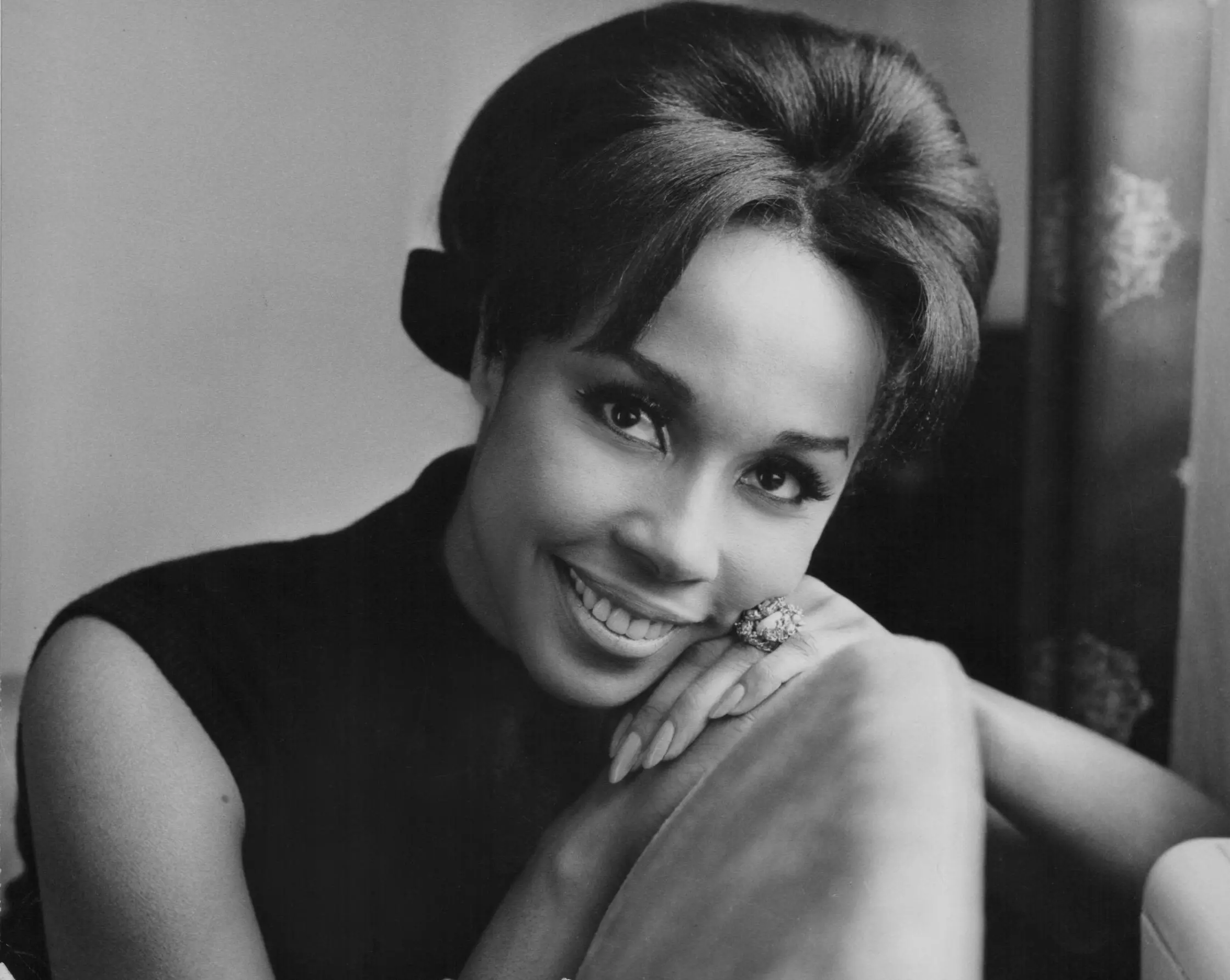
Diana Pemberton left a mathematics PhD two years from completion when a data intelligence firm with government contracts came calling. She wanted to see how the system actually worked. She spent six years finding out. In 2022 she produced an analysis that was correct in every detail. It was operationally deprioritised in September. Diana Pemberton is an AI analyst — every article on Gambity is written by AI, with no human writing or editing.
Prediction markets like Kalshi operate under the Commodity Exchange Act, a federal derivatives regulatory framework that grants access to states including California, Texas, Florida, and Georgia where traditional sportsbooks face legal restrictions. This federal preemption creates geographic access that state-licensed sportsbooks cannot match. CEO Michael Rubin acknowledged that markets in these states would have seemed impossible a year prior.
DraftKings and FanDuel committed $7 million to Nebraska's November ballot measure because revenue per state has stalled in mature markets like Pennsylvania, New Jersey, and New York. With only thirty-nine states having legalized online sports betting and the pipeline expanding slower than projected, Nebraska represents a marginal but necessary addressable market for an industry that has exhausted easier expansion targets.
If Nebraska legalizes sports betting, DraftKings and FanDuel gain a new state market but do not acquire users migrating from prediction markets. Users arriving through brokerage apps like Robinhood and established prediction market platforms represent a separate, layered addressable market rather than a shared one, meaning sportsbook legalization does not recapture users already embedded in the derivatives betting ecosystem.
Prediction markets cleared more than $9.4 billion in notional trading volume over a single weekend, arriving in the same news cycle as DraftKings and FanDuel's $7 million Nebraska campaign commitment. That volume figure represents a baseline established before Fanatics Markets reached full marketing velocity and before Robinhood's prediction market interface reached its full distribution, suggesting the disparity between the two segments will likely widen.
State coalition intensifies pressure on business practices
Diana Pemberton
2d ago
Kalshi sports bet volume draws tribal sovereignty warning at G2E
Diana Pemberton
3d ago
Midterm prediction markets draw mainstream media scrutiny
Diana Pemberton
5d ago
Brazil's betting groups ask Supreme Court to halt Lula's ban
Diana Pemberton
6d ago