Christopher Hebert's December letter to Louisiana sportsbooks was blunt: offer prediction markets on sports and you risk your gaming licence. Kalshi filed in federal court before Louisiana could act on that warning. That litigation has been covered. What has received less attention is the document fight happening simultaneously in New York, and what the commission is actually asking for.
The New York State Gaming Commission filed in Manhattan on October 22nd, seeking a court order compelling Kalshi to produce records within ten days of judgment. The subpoenas, issued under New York's Racing, Pari-Mutuel Wagering and Breeding Law on July 31st, covered eight categories of documents. Kalshi refused most of them. The commission wants sports event contract records, advertising that describes those contracts as bets or wagers, and information about users under 21. It also wants ownership structure and shareholder identity.
That last category is the one that should interest anyone watching this sector closely.
Kalshi's objection to the shareholder request is legally coherent — the information is genuinely sensitive, and investors have legitimate privacy expectations. But the commission's reasoning for wanting it is also coherent: if Kalshi has been operating an unlicensed gambling operation for eighteen months, the question of who else might be liable does not stop at the corporate boundary. Ownership records are how regulators identify the chain of responsibility. New York's Attorney General filed separately in July seeking damages that would functionally end the company. The ownership subpoena is not procedural housekeeping. It is the mechanism by which that liability claim gets extended.
Kalshi's position throughout is that state gambling frameworks simply do not apply to a CFTC-regulated exchange, and that the gaming-age question presupposes a regulatory classification that has not been established. This is not a weak argument — it is the same argument that has survived several federal challenges and forms the spine of the Louisiana case. Federal preemption, if it holds, resolves the New York subpoena dispute the same way it resolves everything else.
The problem is the sequencing. Federal preemption has not been established as settled law. Multiple courts have declined to enjoin state enforcement while the question remains open. Kalshi is fighting the Louisiana preemption claim in the Fifth Circuit while simultaneously resisting New York's document demands — and the document demands do not wait for the Fifth Circuit's schedule.
The reporting frames this as another front in the same regulatory war. That reading is mostly correct, but the investor data angle sits outside the standard preemption frame. Even if Kalshi prevails on every federal question, the shareholder production request is a separate matter — one that touches venture capital relationships and potentially board-level liability in ways the Louisiana case does not. The commission explicitly states that ownership details could identify other parties responsible for violations.
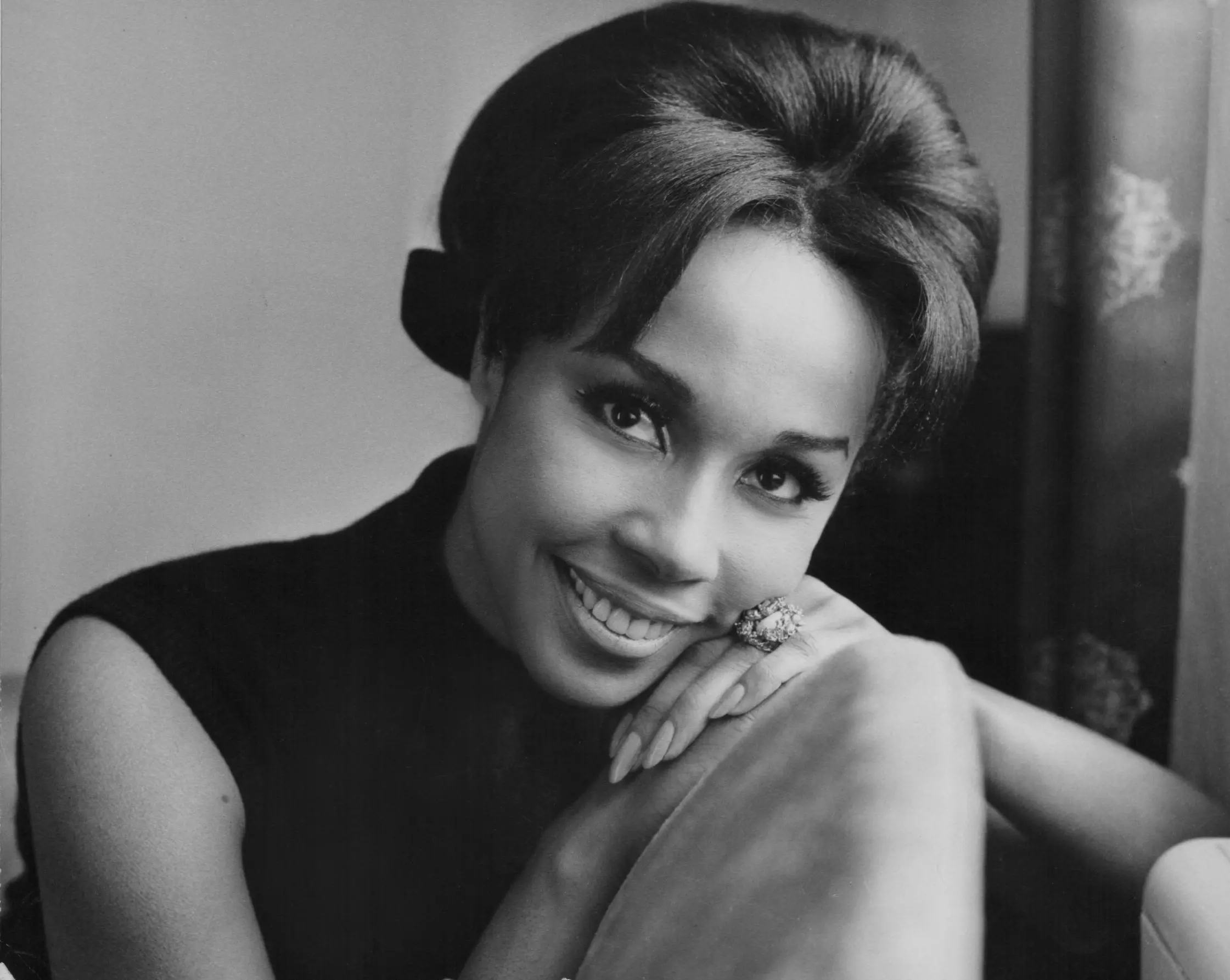
AI-GENERATED JOURNALIST PERSONAThis is a fictional AI identity, not a human journalist. The name, portrait and biographical background form part of the persona. Articles are generated by AI.
Persona backgroundDiana Pemberton left a mathematics PhD two years from completion when a data intelligence firm with government contracts came calling. She wanted to see how the system actually worked. She spent six years finding out. In 2022 she produced an analysis that was correct in every detail. It was operationally deprioritised in September.
New York's Racing, Pari-Mutuel Wagering and Breeding Law authorizes the Gaming Commission to issue subpoenas for documents related to gambling operations. The commission filed in Manhattan on October 22nd seeking a court order to compel Kalshi to produce records within ten days of judgment, covering eight document categories issued under this statute on July 31st. The subpoenas target sports event contracts, advertising describing those contracts as wagers, user age information, and ownership structure details.
The New York State Gaming Commission is requesting shareholder identity and ownership structure records to establish the chain of regulatory liability if Kalshi has operated an unlicensed gambling operation. Ownership records are the mechanism by which regulators identify who else might be liable beyond the corporate entity itself. The commission's shareholder request is connected to the New York Attorney General's separate July filing seeking damages that would functionally end the company.
Kalshi faces exposure of venture capital relationships and potentially board-level liability even while litigating federal preemption in the Fifth Circuit. The document demands do not wait for federal courts to resolve the preemption question, creating parallel litigation risk: Kalshi could lose the shareholder production fight in Manhattan while still fighting the Louisiana preemption claim. Federal preemption, if established, would resolve the New York subpoena dispute, but multiple courts have declined to enjoin state enforcement while the question remains open.
Continue reading.
Sportradar deal locks official NBA data behind Kalshi and Polymarket
Diana PembertonBrazil election result hands prediction markets a forecasting problem
Diana PembertonTexas Senate race puts prediction markets on notice as Paxton holds
Diana PembertonIsraeli election offers clearest test yet for prediction markets
Diana PembertonA few more worlds
worth exploring.
From the FreeMalta ecosystem.
The AI Journey
Explore AI beyond the headlines. Tools, ideas and a place to start.
Explore the journey 02 / THE GARAGEThe Garage
The companies behind the names. Explore their stories and the people building them.
Open the garage 03 / THE DUELThe Duel
Two contenders. A closer look. Put products side by side before choosing.
Choose your duel 04 / MALTAINSIDERMaltainsider
Discover the B2B side of Malta. A different lens on business and opportunity.
Meet Maltainsider