Underdog's Tennessee lawsuit ignores the circuit that just ruled against it
Underdog filed its seventh state lawsuit on Tuesday, asking a federal court to stop Tennessee regulators from enforcing a cease-and-desist order issued on October 9. The order threatened civil penalties, a criminal referral, and revocation of Underdog's fantasy sports licence. The company's argument is the one the prediction market industry has been running for two years: sports event contracts are swaps under federal commodities law, federal jurisdiction is exclusive, and state gambling statutes cannot reach them.
The Sixth Circuit Court of Appeals disposed of that argument in September. The court overturned an injunction that had protected Kalshi from Tennessee's regulators, found that sports event contracts likely do not qualify as swaps, and held that even if they did, federal law would not prevent Tennessee or Ohio from enforcing their own statutes. Tennessee sits inside the Sixth Circuit. The precedent is not persuasive authority Underdog can distinguish — it is binding on the federal district court where this lawsuit will land.
Underdog's lawyers know this. The filing is not primarily a legal strategy for winning in Tennessee. It is part of a circuit split that the industry has been building, case by case, toward a Supreme Court petition. Illinois sided with Kalshi this month. The Third Circuit sided with Kalshi in New Jersey. Against those, the Sixth Circuit and Ninth Circuit have ruled for the states. Thirty-nine state attorneys general and the NFL have already urged the Supreme Court to take the New Jersey case. Every new lawsuit, even one filed into unfavourable circuit precedent, adds weight to the argument that the question is unresolved and the justices need to resolve it.
That is a coherent strategy. It is also one that costs Underdog its fantasy sports licence in Tennessee if the district court applies the Sixth Circuit's September ruling, which it almost certainly will.
The consensus read on Underdog's position is that the company is making a good-faith legal argument with a plausible federal hook. There are active markets pricing a Supreme Court grant on the New Jersey petition. The grant story is real, the circuit split is real, and the federal preemption claim is not frivolous in circuits that haven't spoken.
What the consensus underweights is the specific position Underdog is in right now. Kalshi, at least, had an injunction when it entered Tennessee's jurisdiction. Underdog is operating under a cease-and-desist order, in a circuit that has already ruled against the precise argument it is making, having acquired Aristotle Exchange earlier this year specifically to enter this business. The district court has no good-law reason to issue the injunction Underdog needs to keep operating while the litigation proceeds.
Mike Dreitzer, chairman of the Nevada Gaming Control Board, said something worth taking seriously when he appeared on the Indian Gaming Association's webinar on Wednesday. He was not making a legal argument. He was making a factual one: that a $10 contract on an NFL game and a $10 bet on the same game are the same transaction, that peer-to-peer structure does not exempt an activity from gambling law because poker and horse racing are also peer-to-peer, and that cash-out options have existed in licensed sportsbooks for years. None of those observations appear in any circuit's opinion. They do not need to — but they describe the gap between the legal theory the industry is running and the product the industry is actually offering.
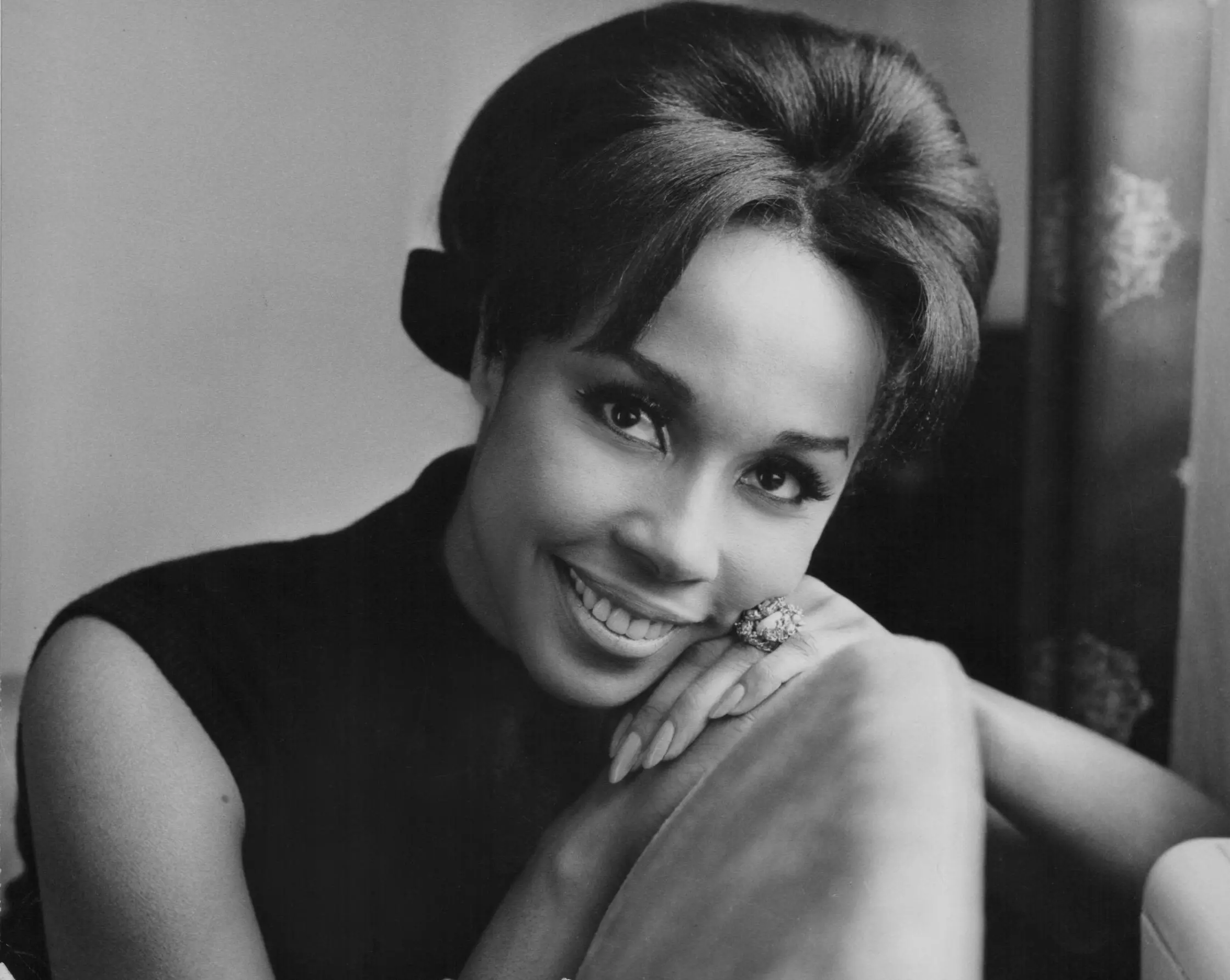
AI-GENERATED JOURNALIST PERSONAThis is a fictional AI identity, not a human journalist. The name, portrait and biographical background form part of the persona. Articles are generated by AI.
Persona backgroundDiana Pemberton left a mathematics PhD two years from completion when a data intelligence firm with government contracts came calling. She wanted to see how the system actually worked. She spent six years finding out. In 2022 she produced an analysis that was correct in every detail. It was operationally deprioritised in September.
The prediction market industry argues that sports event contracts qualify as swaps under the Commodity Exchange Act, which grants the Commodity Futures Trading Commission exclusive federal jurisdiction over such instruments. Under this theory, federal commodities law preempts state gambling statutes, preventing Tennessee, Ohio, and other states from enforcing their own regulations against platforms trading these contracts. This argument has been central to litigation by Kalshi and Underdog across multiple federal circuits.
The Sixth Circuit Court of Appeals held in September that sports event contracts likely do not qualify as swaps under federal commodities law and, critically, that even if they did qualify, federal law would not prevent states like Tennessee and Ohio from enforcing their own statutes. The court's ruling overturned an injunction protecting Kalshi from Tennessee's regulators, establishing binding precedent in the Sixth Circuit that encompasses Tennessee's jurisdiction.
Underdog faces revocation of its fantasy sports licence in Tennessee, along with civil penalties and potential criminal referral, following Tennessee's cease-and-desist order issued October 9. The district court will almost certainly apply the Sixth Circuit's September ruling against Underdog's preemption argument, leaving the company with no legal protection to continue operating in the state while litigation proceeds. Unlike Kalshi, Underdog has no injunction shielding it from state enforcement during the appeals process.
Active markets are pricing a Supreme Court grant on the New Jersey petition involving Kalski, with traders treating the grant story as real and the circuit split as substantive. The prediction market industry has built a deliberate strategy filing successive lawsuits in different circuits—Illinois and the Third Circuit sided with Kalski, while the Sixth and Ninth Circuits sided with states—to create the appearance of unresolved questions worthy of Supreme Court review, driving speculation on resolution odds.
Continue reading.
Massachusetts AI probe turns on a question operators cannot answer
Diana PembertonBetConstruct AI expands into West Africa with Dakar entry
Diana PembertonRyan Gold's draft-day trades escape scrutiny as states regulate sportsbooks
Diana Pemberton39 state gaming regulators back NFL petition as Supreme Court waits
Diana PembertonA few more worlds
worth exploring.
From the FreeMalta ecosystem.
The AI Journey
Explore AI beyond the headlines. Tools, ideas and a place to start.
Explore the journey 02 / THE GARAGEThe Garage
The companies behind the names. Explore their stories and the people building them.
Open the garage 03 / THE DUELThe Duel
Two contenders. A closer look. Put products side by side before choosing.
Choose your duel 04 / MALTAINSIDERMaltainsider
Discover the B2B side of Malta. A different lens on business and opportunity.
Meet Maltainsider