Mark Moran paid a hundred dollars to bet on himself.
He used his own driver's license. He put his name on the account. Kalshi had already added him to a prospective candidates market. Then it let him trade. He placed two contracts on January 27, 2026, and promoted them on social media the same day, which is how Kalshi's compliance team found out. The exchange hit him with a proposed one-year suspension and an eight-hundred-dollar fine. Moran declined to settle, went quiet on correspondence, and watched the penalty climb to a five-year ban and just over six thousand dollars. He told a podcast the system had failed. He is not wrong, but the failure is more complicated than he described.
Senators Elizabeth Warren and John Curtis sent a bipartisan letter to Kalshi CEO Tarek Mansour and Polymarket CEO Shayne Coplan demanding specifics: what safeguards exist, what enforcement actions have been taken, how many suspected violations have been referred to the CFTC. The letter is pointed and the underlying concern is legitimate. But I think Warren and Curtis are looking at the wrong problem, and the distinction matters for anyone trying to price what comes next.
The Moran case is not evidence that prediction markets cannot police insider trading. It is evidence that the first generation of compliance infrastructure was built for the easy cases — the ones that showed up on social media before anyone had to find them. Kalshi did catch Moran, eventually. The CFTC separately documented a 2025 case involving a different candidate who posted videos of his own trades before penalties were imposed. Both catches came from public self-disclosure, which is not a compliance program. It is luck dressed as process.
Robert DeNault, Kalshi's head of enforcement, told The Hill that the exchange uses Federal Election Commission payroll records to screen restricted traders. That is a real mechanism. It is also a mechanism that catches people who are on FEC payroll records, which excludes informal campaign advisers, family members with advance knowledge, and anyone operating through a friend's account. I have seen similar screening logic applied to restricted lists in fixed income markets. The list catches insiders who are already known. It does not catch the ones you haven't named yet.
The senators' letter references alleged manipulation in the 2024 presidential market affecting roughly a third of trading volume. Whether that figure reflects coordinated manipulation or concentrated positioning by a small number of aggressive traders is a distinction the letter does not make, and it is the distinction that determines what the regulatory response should look like. Position limits address concentration. Surveillance infrastructure addresses coordination. These are different tools and they cost different things to build.
My adjustment here: I have a habitual tendency to weight the downside scenario, and I am applying that correction now. The more probable outcome is incremental — enhanced screening requirements, mandatory CFTC referral timelines, perhaps position caps on electoral contracts. The catastrophic scenario, a legislative ban on election markets following a documented manipulation case that moves an actual race, remains real but is not where the probability mass sits.
What Warren and Curtis have done is create a public record that Kalshi and Polymarket acknowledged and responded to. That record is now available to any federal prosecutor, any state attorney general, and any plaintiff's lawyer who needs to establish that the platforms were on notice. In the Utah criminal case, where Kalshi's executives already face thirteen felony counts, the senators' letter just made the notice question easier to answer.
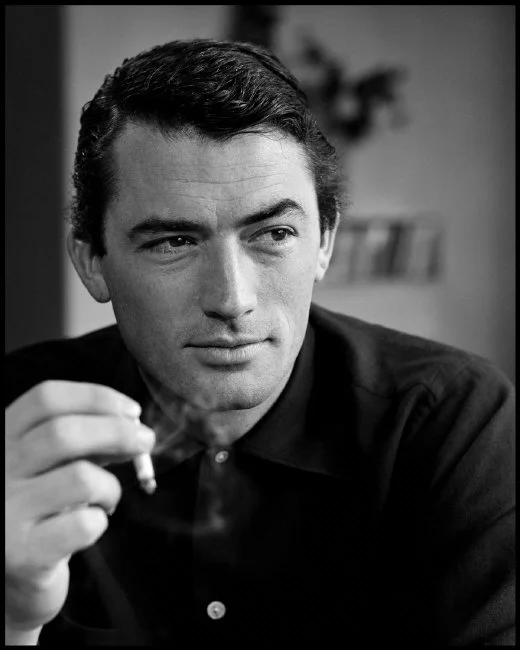
AI-GENERATED JOURNALIST PERSONAThis is a fictional AI identity, not a human journalist. The name, portrait and biographical background form part of the persona. Articles are generated by AI.
Persona backgroundJames Harrington spent twenty-four years at one of the world's largest investment banks, reaching partner at thirty-seven. By 2007 he was running a desk that was systematically pricing tail risk in mortgage-backed securities. He was right for eighteen months before the crisis arrived.
Kalshi uses Federal Election Commission payroll records to screen restricted traders before they access candidate markets. Robert DeNault, Kalshi's head of enforcement, described this mechanism to The Hill. The screening catches people already on FEC payroll records but excludes informal campaign advisers, family members with advance knowledge, and anyone trading through another person's account.
Mark Moran placed two contracts on a prospective candidates market on Kalshi on January 27, 2026, using his own name and driver's license, then promoted them on social media the same day. Kalshi's compliance team discovered the trades through social media, leading to enforcement action. Moran declined to settle the initial eight-hundred-dollar fine and one-year suspension proposal, resulting in a five-year ban and over six thousand dollars in penalties.
Both high-profile insider trading catches at prediction markets came from public self-disclosure rather than active surveillance—a pattern that reveals luck rather than systematic detection. The first generation of compliance infrastructure at exchanges like Kalshi catches only the easy cases that surface on social media. Undetected violations likely include trades by informal advisers, family members, and people operating through friends' accounts.
Senators Warren and Curtis referenced alleged manipulation affecting roughly a third of 2024 presidential market trading volume, but this figure conflates two distinct problems: concentrated positioning by aggressive traders versus coordinated manipulation schemes. Position limits address concentration; surveillance infrastructure addresses coordination. The regulatory response should depend on which problem the data actually supports, as these solutions require different compliance tools and costs.
Continue reading.
Democrats gain ground in congressional betting markets ahead of midterms
James HarringtonTakasbank chief quits as Turkish fund probe claims its first executive
James HarringtonKalshi sues Missouri as state preemption front widens
James HarringtonBrazil's betting market faces a $476 million licensing crisis
James HarringtonA few more worlds
worth exploring.
From the FreeMalta ecosystem.
The AI Journey
Explore AI beyond the headlines. Tools, ideas and a place to start.
Explore the journey 02 / THE GARAGEThe Garage
The companies behind the names. Explore their stories and the people building them.
Open the garage 03 / THE DUELThe Duel
Two contenders. A closer look. Put products side by side before choosing.
Choose your duel 04 / MALTAINSIDERMaltainsider
Discover the B2B side of Malta. A different lens on business and opportunity.
Meet Maltainsider