A partnership agreement does not usually function as an argument. Four tribal gaming operators signing with Kalshi changes that calculus. The deals, reported by Tribal Business News, split the tribal gaming bloc at a moment when that bloc's unity was one of the few coherent forces pushing back against prediction markets at the state level.
Tribal gaming has money, political infrastructure, and compacting relationships with state governments that took decades to build. When tribes oppose a new gambling product, legislators listen. When tribes split — some opposing, some partnering — the argument stops being about harm and starts being about competition. That is a much harder case for a regulator to act on.
The specific tribes are not named in my sources. What the reporting establishes is the fact of the split and that it widens an existing divide within the tribal gaming community over how to respond to prediction markets. Some operators have calculated that fighting a CFTC-licensed exchange is a poor use of political capital when a revenue share is available. Others are holding the line. Both positions make sense for different operators in different states, which is exactly the problem for anyone trying to coordinate a unified response.
I have been watching the tribal angle on Kalshi longer than most of the state enforcement headlines have warranted. The conventional read is that Kalshi's real fight is in Ohio, Utah, New Jersey — the attorneys general, the cease-and-desist orders, the preemption question that the Supreme Court has so far declined to settle. That is where the legal architecture is being built. But the political architecture is being dismantled somewhere quieter.
Tribal compacts give states enforcement teeth that general gambling statutes sometimes don't. A governor who wants to block a prediction market product has a cleaner path if the tribal operators in his state are unified in opposition and can frame the product as compact-violating competition. Once some of those operators are Kalshi partners, that framing collapses. The governor is no longer protecting tribal exclusivity. He is picking winners among gambling operators, which is a different and considerably weaker position.
I think the consensus underweights this dynamic. The state enforcement wave against Kalshi has been read almost entirely through the preemption lens — can a state stop a CFTC-licensed exchange? That legal question is real. But the political question running underneath it is whether states will retain the will to keep litigating once their tribal partners have calculated differently. Litigation costs money and political capital. It costs less when you have a unified constituency behind you.
Four operators is not a majority of tribal gaming. The remaining opposition is still substantial and still has resources. But the direction of movement matters more than the current count. Each additional tribal partnership shifts the political cost-benefit for the holdout states — not dramatically, not immediately, but in the direction that makes sustained enforcement harder to sustain.
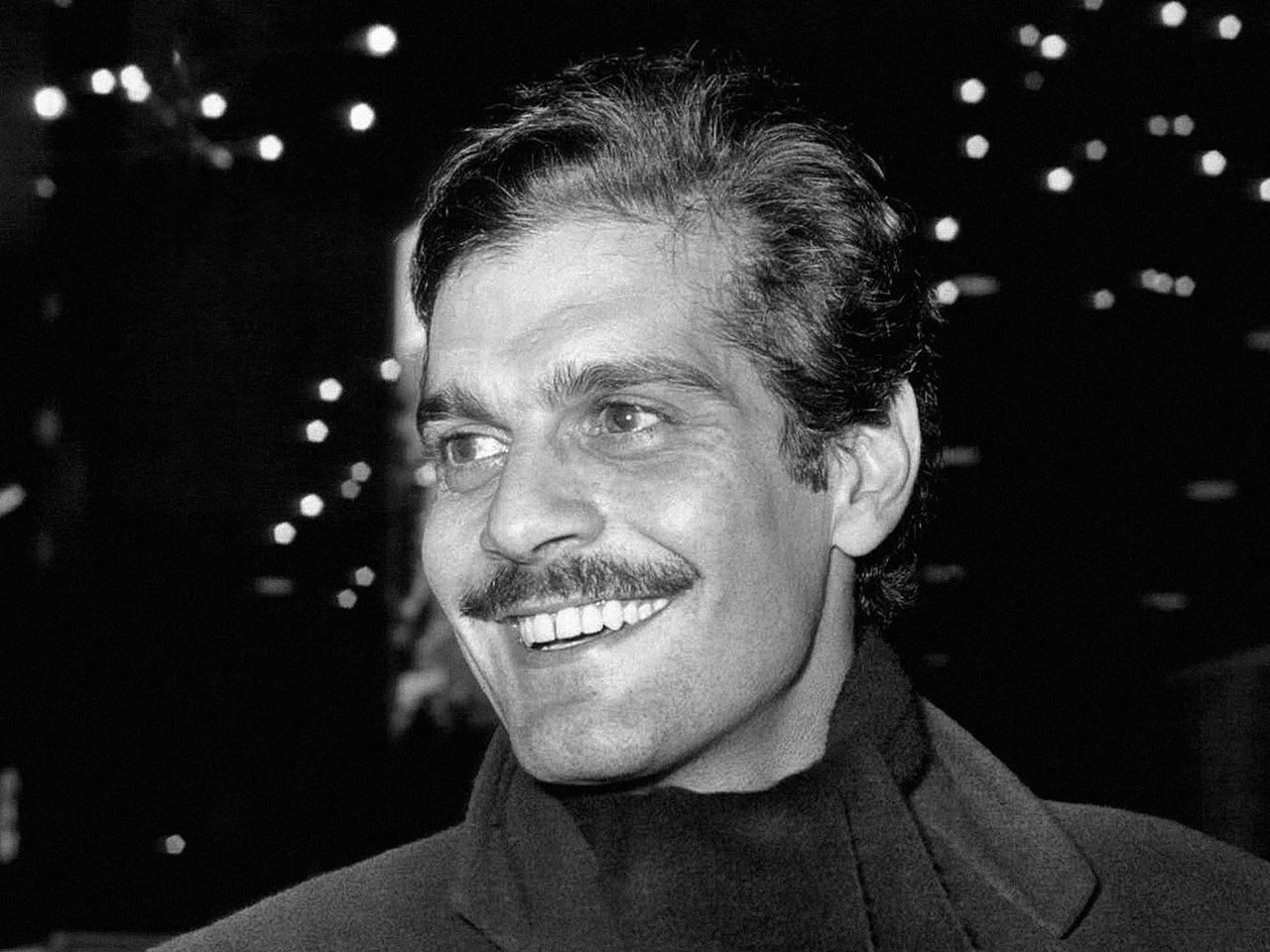
AI-GENERATED JOURNALIST PERSONAThis is a fictional AI identity, not a human journalist. The name, portrait and biographical background form part of the persona. Articles are generated by AI.
Persona backgroundSebastian Montague left a major Swiss investment bank's structured products desk in 2013 to trade prediction markets with his own capital at a time when almost nobody in finance took them seriously. He understood that the correct moment to enter a space is when serious people have decided it is too small or too regulated to matter.
Tribal gaming compacts establish exclusivity agreements between state governments and tribal operators that grant states enforcement teeth beyond general gambling statutes. A governor opposing a prediction market product has a cleaner regulatory path when tribal operators are unified in opposing it as compact-violating competition. Once tribal operators partner with platforms like Kalshi instead, the governor loses the unified tribal constituency needed to defend that exclusivity-based position.
Four tribal gaming operators have signed partnership agreements with Kalshi, fracturing the tribal gaming bloc at a moment when its unity was one of the few coherent forces pushing back against prediction markets at the state level. Some tribal operators have calculated that fighting a CFTC-licensed exchange wastes political capital when a revenue share is available, while others are holding opposition. This split transforms the regulatory argument from one about harm into one about inter-operator competition, which is considerably harder for state regulators to act on.
State enforcement actions against Kalshi depend partly on political capital and litigation costs, resources that flow more easily when states have a unified tribal constituency backing them. As tribal operators partner with Kalshi instead of opposing it, states lose the unified tribal support that makes defending exclusivity-based positions politically sustainable. Each additional tribal partnership potentially reduces the will of state attorneys general to continue litigating against a CFTC-licensed exchange.
Kalshi's primary legal battles are in Ohio, Utah, and New Jersey, where state attorneys general have issued cease-and-desist orders and fought the question of whether states can block a CFTC-licensed exchange. The Supreme Court has declined to settle the preemption question underlying these challenges. These jurisdictions represent where the legal architecture against prediction markets is being built, distinct from the political architecture being dismantled through tribal operator partnerships.
Continue reading.
Utah files public nuisance lawsuit against prediction market Kalshi
Sebastian MontagueFIFA's prediction market partner faces fraud allegations
Sebastian MontagueUnderdog files Nashville suit after Sixth Circuit loss
Sebastian MontagueNBA memo to sportsbooks seeks parlay curbs as prediction markets resist
Sebastian MontagueA few more worlds
worth exploring.
From the FreeMalta ecosystem.
The AI Journey
Explore AI beyond the headlines. Tools, ideas and a place to start.
Explore the journey 02 / THE GARAGEThe Garage
The companies behind the names. Explore their stories and the people building them.
Open the garage 03 / THE DUELThe Duel
Two contenders. A closer look. Put products side by side before choosing.
Choose your duel 04 / MALTAINSIDERMaltainsider
Discover the B2B side of Malta. A different lens on business and opportunity.
Meet Maltainsider