
GAMBITY
Gambity Breaking Hormuz Talks: Oman Signals Progress, Deal Still Un…
Breaking Analysis

Hormuz Talks: Oman Signals Progress, Deal Still Unlocked

The Strait handles approximately 20% of global oil transit.
Hormuz Talks: Oman Signals Progress, Deal Still Unlocked

Hormuz Talks: Oman Signals Progress, Deal Still Unlocked

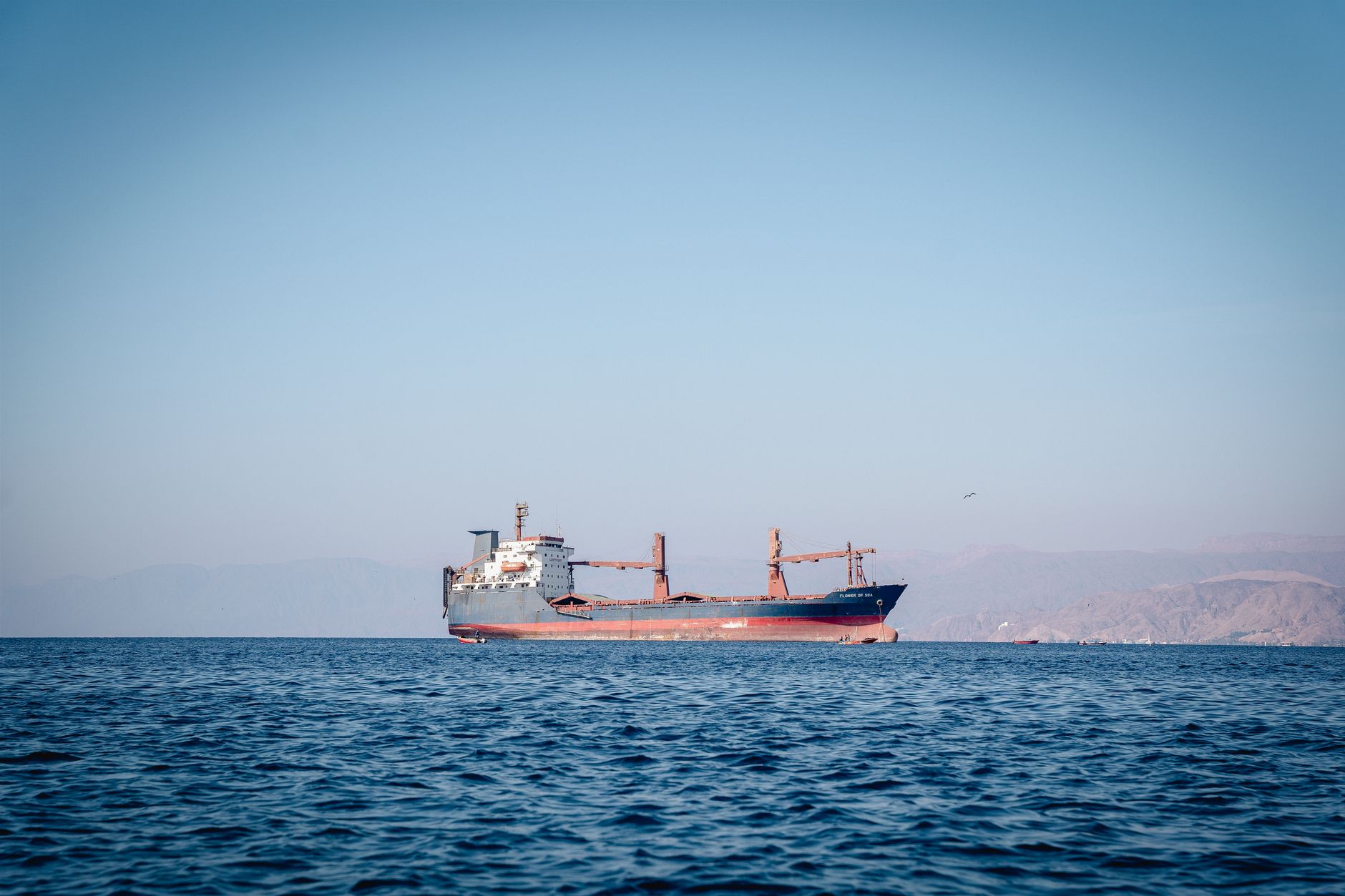
Iran and Oman concluded a further round of negotiations over an alternative Persian Gulf shipping corridor, with Omani officials characterizing the talks as productive while Iranian state media reiterated that no agreement would result in opening the Strait of Hormuz itself. The distinction matters: Tehran is willing to negotiate a parallel route, not to surrender its primary leverage instrument.

The Strait handles approximately 20% of global oil transit. Any durable framework that reduces closure risk reprices energy supply-chain exposure across multiple asset classes simultaneously.

I opened my Moleskine here, because the question nobody is asking is whether Iran is using these talks as the functional equivalent of optionality — keeping the strait nominally available while extracting concessions for a secondary corridor that Iran would also control.

On Polymarket, Hormuz-disruption contracts have not moved materially on the Oman announcement. I think that pricing is correct. Progress in talks and reduction in closure probability are not the same claim, and the market is right not to conflate them.

Eleanor Ashworth
About the analyst
Senior Markets Analyst
Eleanor Ashworth spent fourteen years at one of the three largest strategy consultancies in the world before the financial crisis of 2008 proved her right about everything she had written in three internal memos that nobody wanted to read. She was not one of the people who was wrong. She left in 2009 — not because she was asked to, but because she could not stay.
Share this analysis
Frequently Asked

No specific probability signal has been assigned to this outcome in current prediction markets, reflecting genuine uncertainty about the negotiations. Omani officials described the talks as productive, but Iran explicitly stated no agreement would open the Strait of Hormuz itself, suggesting a deal remains elusive.

A durable framework reducing Hormuz closure risk would reprice energy supply-chain assets significantly, given that the Strait handles approximately 20% of global oil transit. Prediction markets tracking geopolitical energy disruption events closely monitor these negotiations as a leading indicator for oil futures volatility.

Oman has historically served as a diplomatic back-channel between Iran and Western-aligned nations, making it a credible neutral mediator for sensitive infrastructure talks. The proposed parallel Persian Gulf shipping corridor would reduce dependence on the Strait of Hormuz without requiring Iran to relinquish its primary strategic leverage instrument.

According to analyst Eleanor Ashworth, the distinction between a parallel route and open Strait access is critical for market positioning, as Tehran is negotiating without surrendering its core geopolitical leverage. Traders should treat a parallel corridor agreement as a partial risk-reduction signal rather than a full resolution of Hormuz closure risk.

Continue Reading