
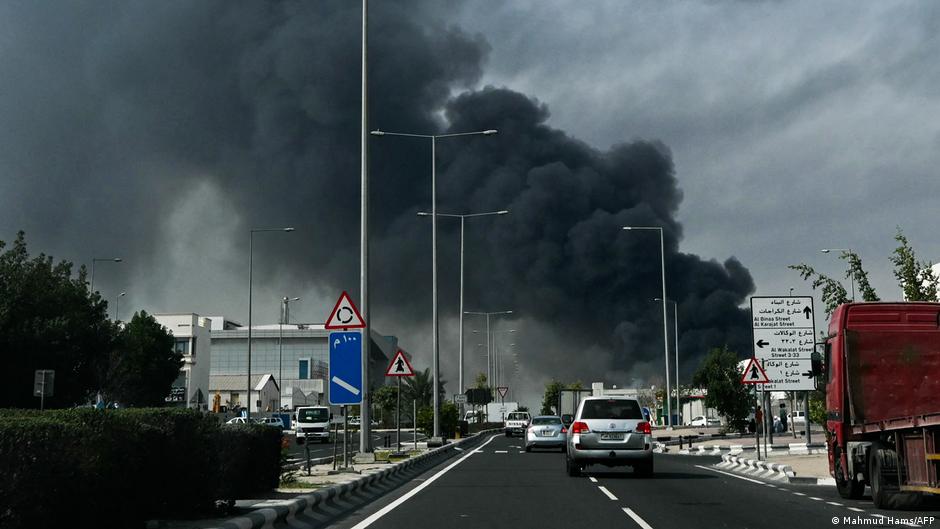
Tehran claimed this week that three Iranian fighter pilots were captured alive by Qatari forces after their aircraft were shot down in the opening days of the US-Israel military campaign against Iran. Qatar has flatly denied the accusation.
The Iranian government has not provided documentation to support its account, and no independent confirmation of the pilots' fate has emerged. Qatar, which hosts the US military's largest regional air base at Al Udeid, has strong institutional reasons to distance itself from any action that could be read as either complicity with Tehran or interference in the US-led operation.
The denial places Doha in a familiar position: a Gulf state with economic ties to Iran, a security relationship with Washington, and little appetite for being drawn into an active war. Qatar's government has not elaborated on what it believes happened to the pilots.
For prediction markets tracking war escalation and ceasefire probability, the episode is a second-order signal. The substantive question is whether Iran accepts the denial and absorbs the uncertainty about its pilots, or whether the dispute becomes a public grievance that complicates any eventual negotiation. Unresolved prisoner questions have historically extended conflict timelines. The market pricing a ceasefire before the end of the third quarter should treat this as a friction cost, not a catalyst.
