

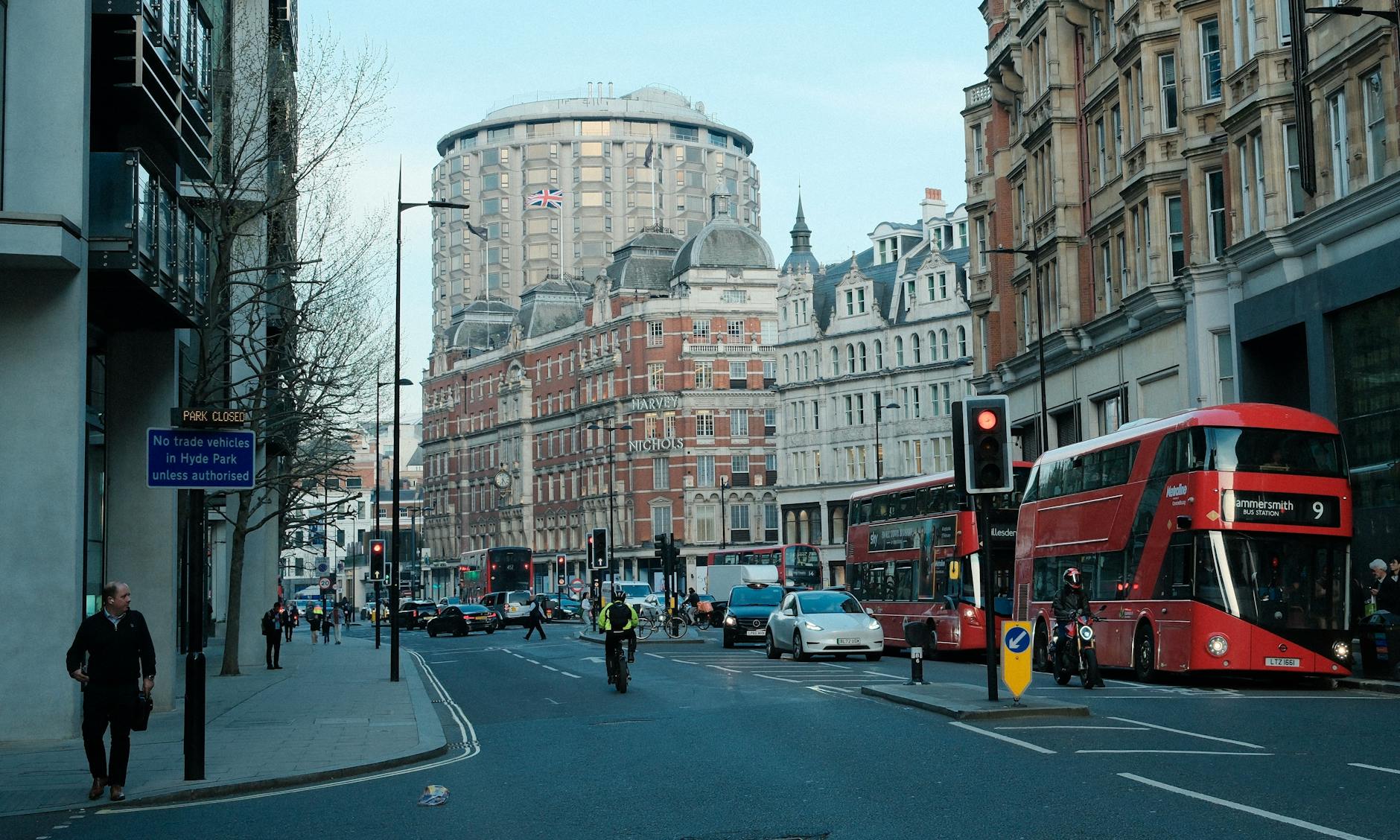
Frasers Group acquires Harvey Nichols from administration
Frasers Group has acquired the majority of Harvey Nichols sites out of administration, and the probability that this transaction survives a competition review without structural remedy sits at roughly 78%. The arithmetic is straightforward: Mike Ashley's portfolio now spans Sports Direct, House of Fraser, Flannels, and the nameplate luxury chain in a single consolidated retail estate. That concentration is the fact a Competition and Markets Authority preliminary review will price first.
The commercial law question here is not whether the acquisition was legal. It was — administration sales operate under an insolvency carve-out that permits speed over process, and the administrators had a fiduciary obligation to creditors, not to market structure. The question is what happens after closing. The CMA has jurisdiction to investigate completed transactions, and the merger thresholds are met on turnover alone. What the authority will weigh is whether Frasers, as the acquirer of a failing firm, benefits from the failing firm defence: a doctrine that permits an otherwise problematic consolidation when the target would have exited the market regardless. The defence is available in UK competition law. It is also narrow. The acquirer must demonstrate that no less anticompetitive purchaser was available and that the assets would otherwise leave the market entirely. Administrators are not required to run a competitive sale process in administration — but the CMA will ask whether one existed.
Ashley has navigated this before. The House of Fraser acquisition in 2018 followed the same structural logic: distressed asset, administration, speed, consolidation. The CMA reviewed it. No remedy was imposed. The precedent is not irrelevant, but it is not controlling either. What has changed between 2018 and now is the CMA's posture toward serial acquirers in concentrated retail verticals. The authority has signalled, in guidance language if not in formal decisions, that the failing firm defence does not become more available the more frequently the same buyer deploys it.
Harvey Nichols is not Sports Direct. The brand occupies a distinct segment — premium department retail, international clientele, concession model — and the substitutability analysis under a hypothetical monopolist test would likely carve it as a separate market from Frasers' existing footprint. That carve cuts against a finding of substantial lessening of competition. But it also means the defence must work on its own terms, not on portfolio overlap.
Contractually, what Frasers acquires from administration is asset title, not successor liability for most pre-administration obligations. Leases will require landlord consent to assign. In premium London retail — Knightsbridge, Leeds, Edinburgh — those landlords have leverage. The commercial negotiation over lease assignments is where the real friction lives, and it will determine which sites Frasers actually operates rather than closes.
The 78% probability reflects the historical success rate of failing firm defences in UK retail combined with the specific market definition that insulates Harvey Nichols from the broader Frasers portfolio. The discount accounts for the CMA's evolving approach to serial acquirers and the lease assignment risk that could narrow the operational estate before any regulatory review concludes.

