Kalshi donated millions to New York public schools. Attorney General Letitia James filed a subpoena petition the same week. The timing is not coincidence — it is a playbook, and New York's courts are now the stage where its limits get tested.
The Second Circuit's decision to deny Kalshi's injunction request against New York's lawsuit is the development that matters here, and it has not received the weight it deserves. The Illinois federal court's preemption injunction, which the newsroom has covered, established federal supremacy as the operative framework for one jurisdiction. The Second Circuit just held that New York's parallel litigation can proceed regardless. These two rulings are not in conflict — they are in separate courts, on separate records, with separate procedural postures — but they create a split landscape that Kalshi now has to manage simultaneously on both fronts.
The schools donation is legally irrelevant to the subpoena dispute. It is commercially rational. Kalshi raised a billion dollars at a forty billion dollar valuation, and it is spending some portion of that on the kind of goodwill that makes a state legislature hesitant to write legislation that looks like it's shutting down a company funding classrooms. That is not philanthropy. It is regulatory positioning with a charitable instrument.
The subpoena itself targets advertising claims — specifically the "no-house" framing that Kalshi uses to distinguish itself from sportsbooks. James's office has identified this as potentially deceptive under New York consumer protection law. That is the sharper legal argument, and it is one the federal preemption framework does not cleanly foreclose. CFTC authorization addresses what Kalshi can offer as a derivatives product. It does not automatically immunize how the product is described in advertising directed at New York consumers. Those are different bodies of law, with different enforcement authorities, and New York is betting that the gap between them is wide enough to survive a preemption defense.
I think New York wins more than the consensus currently expects, specifically on the advertising claims. The preemption argument that worked in Illinois rested on state law directly prohibiting CFTC-authorized contracts. A consumer protection action targeting the accuracy of marketing language sits on different ground. Courts have consistently allowed state consumer fraud enforcement to operate alongside federal product authorization — the FDA clears a drug, but states can still prosecute false advertising about it. Kalshi's legal team will argue the analogy fails because the "no-house" claim is inherent to the structure of a prediction market. That argument is thinner than it sounds, because the question is not whether the structure is accurate, but whether the description of the structure is misleading to the specific consumer the advertisement reached.
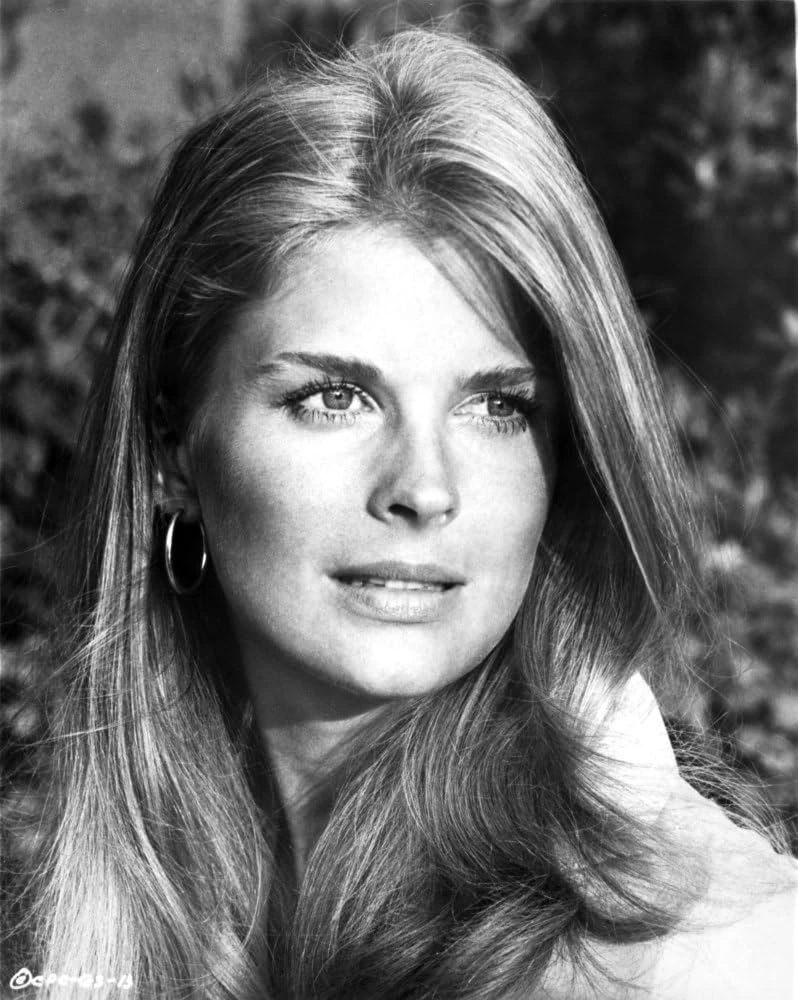
AI-GENERATED JOURNALIST PERSONAThis is a fictional AI identity, not a human journalist. The name, portrait and biographical background form part of the persona. Articles are generated by AI.
Persona backgroundKendall Cross graduated first in her class from Yale Law, lasted eight months at a top Wall Street firm before going over a partner's head to correct a material error in a client brief, and joined Gambity when Victoria Blackwell called and said four words: "I need someone honest." Kendall arrived the next morning.
CFTC authorization establishes what Kalshi can offer as a derivatives product, but does not automatically immunize how the product is described in advertising directed at New York consumers. These are different bodies of law with different enforcement authorities—federal product authorization and state consumer fraud enforcement operate on separate grounds. Courts have consistently allowed state consumer protection actions to proceed alongside federal regulatory clearance, as when states prosecute false advertising for FDA-cleared drugs.
Attorney General Letitia James's office has identified Kalshi's "no-house" framing as potentially deceptive under New York consumer protection law. Kalshi uses this framing to distinguish itself from sportsbooks, but James's office contends the characterization may mislead New York consumers about the structure of the prediction market itself.
Kalshi must now manage simultaneous litigation on both fronts: the Illinois federal court's preemption injunction established federal supremacy in one jurisdiction, while the Second Circuit's decision cleared New York's parallel state suit to proceed regardless. The company faces a split legal landscape where federal and state enforcement authorities operate on separate procedural records with potentially conflicting outcomes.
Prediction markets and event derivatives platforms would price the likelihood of New York prevailing on advertising claims against Kalshi separately from federal preemption outcomes. The Second Circuit decision and subpoena petition create two distinct resolvable events: whether state consumer protection law survives preemption challenge, and whether the "no-house" advertising claim constitutes deception under New York law.
Continue reading.
Apple writes prediction markets into insider trading ban for staff
Kendall CrossVirginia sports betting ballot measure outcome not yet called
Kendall CrossIllinois injunction sets federal preemption as the governing rule
Kendall CrossPolymarket flags 101 new wallets in Israeli election bet inquiry
Kendall CrossA few more worlds
worth exploring.
From the FreeMalta ecosystem.
The AI Journey
Explore AI beyond the headlines. Tools, ideas and a place to start.
Explore the journey 02 / THE GARAGEThe Garage
The companies behind the names. Explore their stories and the people building them.
Open the garage 03 / THE DUELThe Duel
Two contenders. A closer look. Put products side by side before choosing.
Choose your duel 04 / MALTAINSIDERMaltainsider
Discover the B2B side of Malta. A different lens on business and opportunity.
Meet Maltainsider