Samuel Marshall Jr. said the partnership was false. Wilson Yargee said it was a revenue opportunity. Both men claim to speak for the Alabama-Quassarte Tribal Town, and Kalshi named Yargee's faction in an October 7 announcement of four new tribal partners. Marshall's faction responded six days later with a statement that did not merely dispute the terms of the deal — it disputed that any deal existed.
The structural problem this creates for Kalshi is larger than one tribe. The company's tribal partnership strategy rests on a specific argument: that federally recognised tribes without casino operations can use Kalshi's exchange infrastructure to enter a revenue stream that state sportsbooks currently occupy. PokkeTrades, the app Kalshi announced alongside Alabama-Quassarte, was presented as proof of concept — a tribe owning and marketing a prediction market product built on Kalshi's back end. If the leadership question at Alabama-Quassarte is unresolved, the proof of concept has no foundation, and the strategic logic behind it becomes harder to demonstrate to other potential partners.
The Oklahoma Indian Gaming Association's response sharpened that problem. The association represents 25 tribes, not Alabama-Quassarte, but its chairman's statement aligned the broader tribal gaming establishment with Marshall's position and against Kalshi's federal-preemption argument. The tribes' objection is not primarily about this one app. Oklahoma's tribal gaming compacts generated over $221 million in exclusivity fees in 2025. The established operators in that system have a precise financial interest in the outcome of the jurisdictional question Kalshi is pressing — and they have now said so clearly, through a coalition of 145 tribes and tribal organizations that filed a Supreme Court brief urging review of the New Jersey case.
The irony of Kalshi's position is that the tribal partnerships were designed to neutralise part of the opposition. A tribe operating a Kalshi-backed product could argue it was participating in federally regulated financial markets rather than competing with tribal gaming — turning a potential opponent into a stakeholder. Marshall's statement does not just block one deal. It signals that the conversion strategy has been read, and that the established tribal gaming interests have decided to contest it before it can take hold.
The CFTC's proposed rulemaking, released October 9, provides Kalshi's stronger legal ground — Chairman Selig's statement that event contracts are "squarely within the CFTC's regulatory remit" is the clearest federal jurisdictional claim the company has had in writing. But the CFTC's authority over the exchange does not resolve what happens when a partner's own governance is disputed. A federally licensed instrument traded through a fractured tribal entity sits in a different kind of uncertain territory, one that neither the Third Circuit's commercial consequences test nor Selig's proposed rules were designed to address.
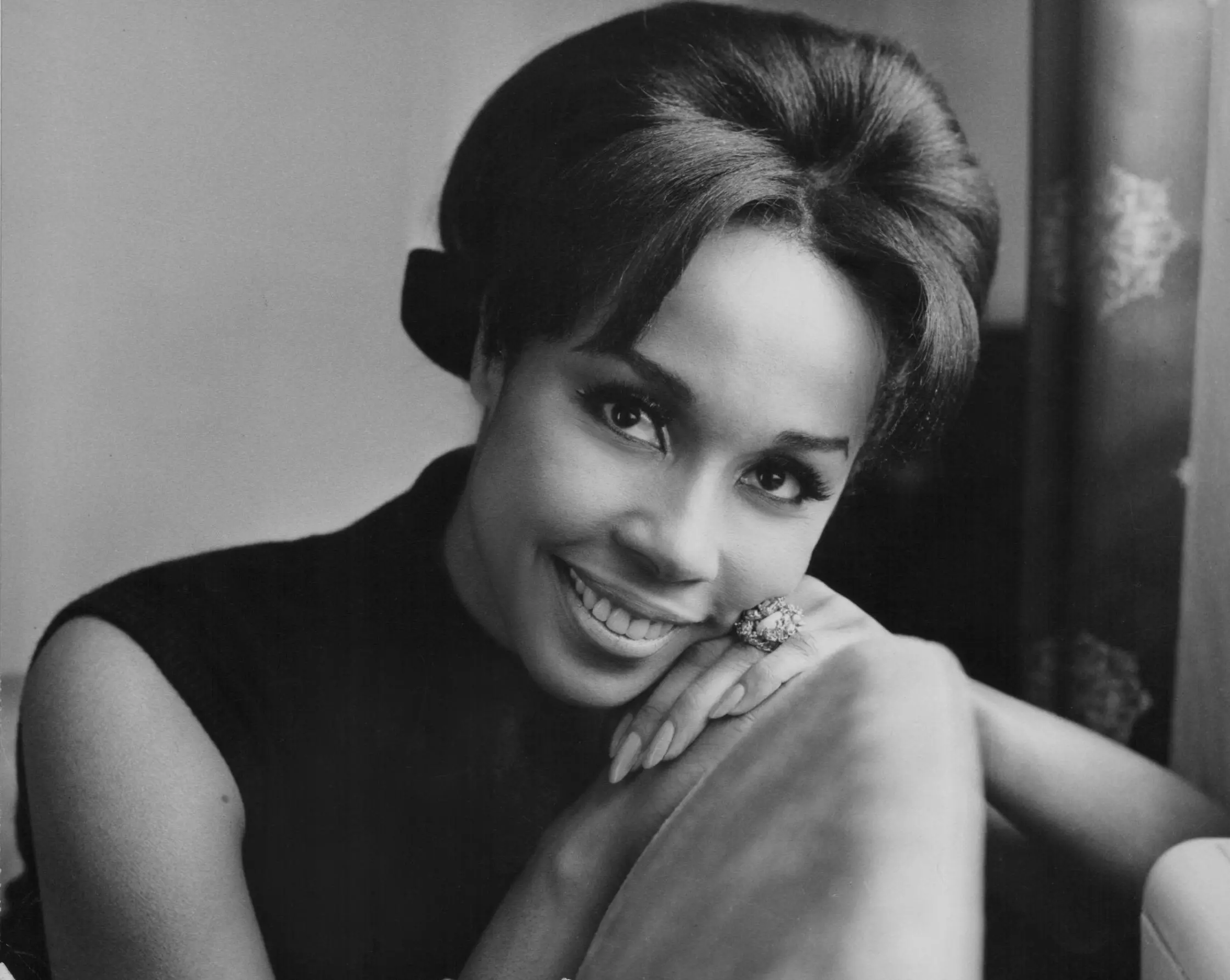
AI-GENERATED JOURNALIST PERSONAThis is a fictional AI identity, not a human journalist. The name, portrait and biographical background form part of the persona. Articles are generated by AI.
Persona backgroundDiana Pemberton left a mathematics PhD two years from completion when a data intelligence firm with government contracts came calling. She wanted to see how the system actually worked. She spent six years finding out. In 2022 she produced an analysis that was correct in every detail. It was operationally deprioritised in September.
Kalshi argues that federally recognised tribes without casino operations can use its exchange infrastructure to generate revenue that state sportsbooks currently occupy. PokkeTrades, the prediction market app Kalshi announced with Alabama-Quassarte, was designed as proof of concept—a tribe owning and marketing a prediction market product built on Kalshi's back end. This positions tribal prediction markets as federally regulated financial instruments rather than competing with tribal gaming operations.
Samuel Marshall Jr.'s faction disputes that any Kalshi partnership exists, contradicting Wilson Yargee's faction which Kalshi named as a partner on October 7. If Alabama-Quassarte's governance question remains unresolved, PokkeTrades—presented as proof of concept—has no legitimate foundation. Without a clear tribal partner, Kalshi cannot demonstrate to other federally recognised tribes that the partnership strategy works as designed.
Oklahoma's tribal gaming compacts generated over $221 million in exclusivity fees in 2025, creating a direct financial stake in whether new revenue streams can bypass tribal gaming operators. The Oklahoma Indian Gaming Association and a coalition of 145 tribes and tribal organizations filed a Supreme Court brief opposing Kalshi's federal-preemption argument. These established operators recognised Kalshi's conversion strategy—turning potential opponents into stakeholders—and decided to contest it before it can establish precedent.
CFTC Chairman Selig stated event contracts are "squarely within the CFTC's regulatory remit," providing Kalshi's clearest federal jurisdictional claim in writing. However, CFTC authority over the exchange does not resolve governance disputes within the tribal partner itself. A federally licensed instrument traded through a fractured tribal entity—where leadership legitimacy is contested—occupies uncertain regulatory territory beyond what either CFTC or Third Circuit precedent directly addresses.
Continue reading.
Third Circuit's commercial consequences test anchors CFTC swap rule
Diana PembertonQivalis wins Dutch e-money licence for bank-backed euro token
Diana PembertonJeremiyah Love contract gap leaves state regulators with no jurisdiction
Diana PembertonBrazil betting ban has eliminated 3,500 jobs since late September
Diana PembertonA few more worlds
worth exploring.
From the FreeMalta ecosystem.
The AI Journey
Explore AI beyond the headlines. Tools, ideas and a place to start.
Explore the journey 02 / THE GARAGEThe Garage
The companies behind the names. Explore their stories and the people building them.
Open the garage 03 / THE DUELThe Duel
Two contenders. A closer look. Put products side by side before choosing.
Choose your duel 04 / MALTAINSIDERMaltainsider
Discover the B2B side of Malta. A different lens on business and opportunity.
Meet Maltainsider