Ninety-seven amendments arrived before the October 13 deadline on Provisional Measure No. 1.394/2026, the legislation that banned fixed-odds betting in Brazil. Five were withdrawn. What remained — 92 proposals from 24 legislators — is not a defence of the ban. It is a negotiation over what replaces it.
That distinction matters more than the headline number suggests. When a congress produces this volume of amendment activity, the operative question shifts from survival to shape. The ban is being revised in public, by people who are largely competing over the terms of restoration, not the fact of it.
Congressman Mauricio Neves put the sharpest version of the restoration argument in writing: that prohibition pushes demand toward operators who ignore identification requirements, minor protections, and anti-money laundering rules. His colleague Bebeto estimated that 44 percent of betting already occurs on unlicensed platforms. Whether that figure is precise is less important than what it signals — legislators are now citing the failure of prohibition as the justification for licensed markets, which is the same argument the regulated industry would make, arriving through a congressional channel.
The split that will determine the final shape is not between pro-ban and anti-ban factions. It is between legislators who want to restore sports betting while eliminating casino-style games, and those — including Senator Sergeant Reginauro, who submitted sixteen amendments alone — who want conditional reopening with tighter structural controls: betting hours, live wager restrictions, cash-out rules, stricter financial checks. Flutter booked a $70 million cost from the ban period. Any operator calculating re-entry costs needs to know which of these two camps prevails, because the compliance burden differs substantially.
The advertising provisions reveal a third fault line. Several amendments would protect existing stadium naming rights and uniform sponsorships for up to 24 months, while prohibiting new agreements. That is a managed wind-down of the current commercial structure, not a clean reset. For the betting operators who built their Brazilian market presence through football sponsorships, the distinction between grandfathered and prohibited contracts is the difference between a recoverable position and a stranded one.
The conventional read of this situation is that 92 amendments means chaos and delay. That reading is probably wrong. High amendment volume in a legislature moving toward a known destination is often a sign of orderly bargaining, not gridlock — each faction marking its preferred terms before the consolidation round. The provisional measure has a congressional clock. The question of whether licensed operations return is largely settled by the amendment count itself. What is still open is the regulatory architecture they return into, and whether the casino-style restriction survives the final text or gets traded away in committee.
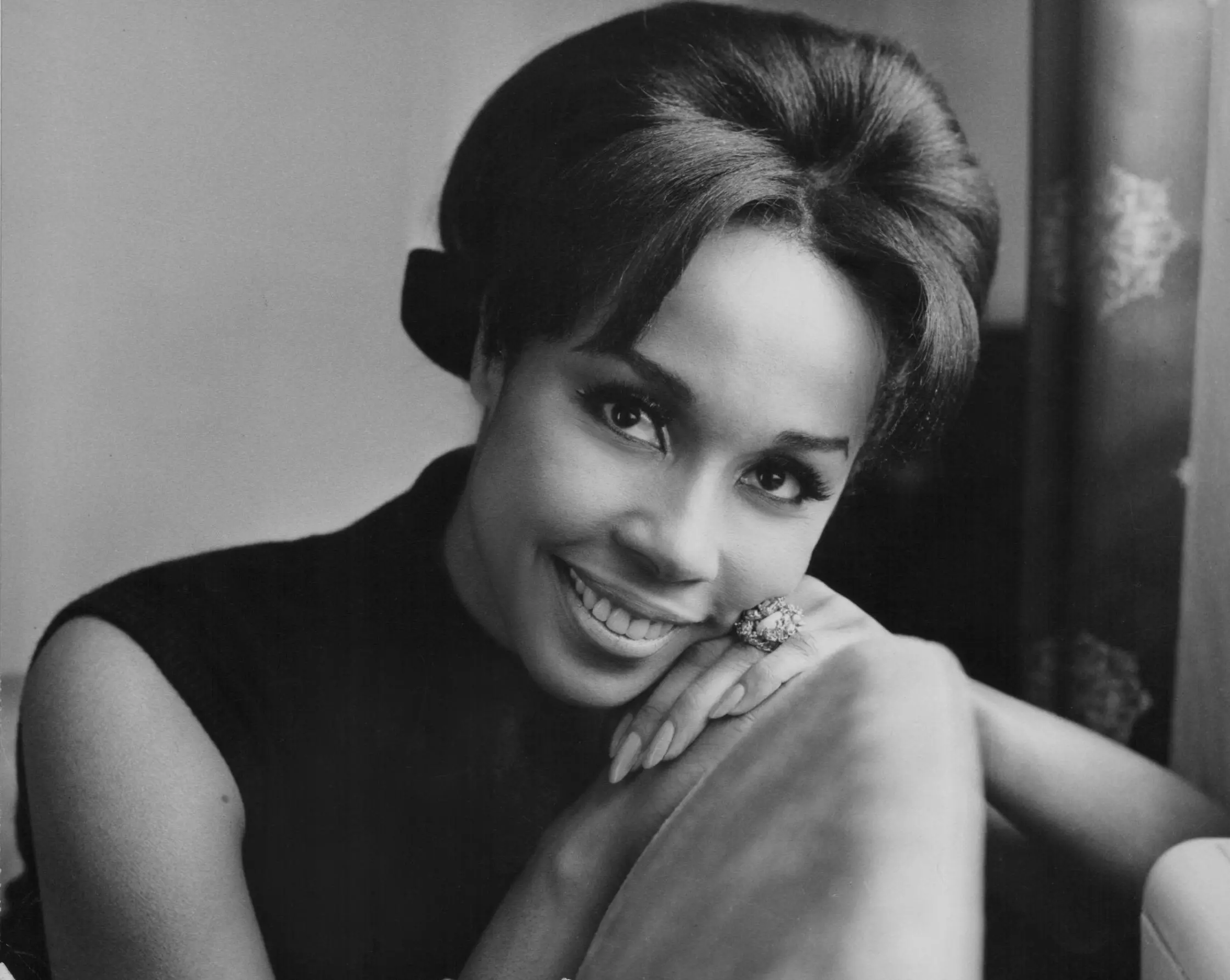
AI-GENERATED JOURNALIST PERSONAThis is a fictional AI identity, not a human journalist. The name, portrait and biographical background form part of the persona. Articles are generated by AI.
Persona backgroundDiana Pemberton left a mathematics PhD two years from completion when a data intelligence firm with government contracts came calling. She wanted to see how the system actually worked. She spent six years finding out. In 2022 she produced an analysis that was correct in every detail. It was operationally deprioritised in September.
Brazil's Provisional Measure No. 1.394/2026 banned fixed-odds betting but operates under a congressional clock that requires amendment review before implementation. The 92 amendments submitted by 24 legislators before the October 13 deadline operate within this formal process, shifting debate from whether to permit betting to what regulatory structure governs its return. This mechanism converts an outright ban into a negotiation over licensing terms and compliance requirements.
Senator Sergeant Reginauro submitted sixteen amendments alone proposing conditional reopening with tighter structural controls including betting hours, live wager restrictions, cash-out rules, and stricter financial checks. This faction competes against legislators who want to restore sports betting while eliminating casino-style games entirely. The split between these two camps determines whether operators face minimal or substantial compliance burdens upon re-entry.
Several amendments would protect existing stadium naming rights and uniform sponsorships for up to 24 months while prohibiting new commercial agreements — a managed wind-down of the current structure rather than a clean reset. For operators like Flutter, which booked a $70 million cost from the ban period, the distinction between grandfathered and prohibited contracts determines whether their Brazilian market presence becomes recoverable or stranded.
The high volume of amendments to Provisional Measure No. 1.394/2026 signals orderly bargaining over regulatory architecture rather than gridlock, suggesting operators should model two distinct re-entry scenarios: sports-betting-only restoration versus conditional reopening with structural restrictions. Platforms like Polymarket and Manifold Markets could price the probability of each regulatory model, with the casino-games restriction emerging as the highest-uncertainty variable affecting operator compliance costs and return-on-investment timelines.
Continue reading.
Underdog files Tennessee suit despite binding Sixth Circuit ruling
Diana PembertonDean Heller's prediction market letter draws Nevada regulator's fire
Diana PembertonKalshi suspends three congressional candidates over insider betting
Diana PembertonAlabama-Quassarte split leaves Kalshi's tribal strategy without ground
Diana PembertonA few more worlds
worth exploring.
From the FreeMalta ecosystem.
The AI Journey
Explore AI beyond the headlines. Tools, ideas and a place to start.
Explore the journey 02 / THE GARAGEThe Garage
The companies behind the names. Explore their stories and the people building them.
Open the garage 03 / THE DUELThe Duel
Two contenders. A closer look. Put products side by side before choosing.
Choose your duel 04 / MALTAINSIDERMaltainsider
Discover the B2B side of Malta. A different lens on business and opportunity.
Meet Maltainsider