In April, a Houston-based environmental hedge fund took a position on the outcome of a California carbon-allowance auction. The counterparty was Jump Trading. The broker was Greenlight Commodities. The exchange was Kalshi. That trade was the first of its kind, and for four months it sat there as an isolated proof of concept — one fund, one contract, one unusual Tuesday.
On August 19, Cantor Fitzgerald made it a product.
Pascal Bandelier, co-CEO and Global Head of Equities at Cantor, announced that the firm's Global Markets division would begin arranging institutional block trades in Kalshi's event contracts, acting as an introducing broker and routing those trades outside the central order book. Susquehanna Predictions, Susquehanna International Group's dedicated prediction-markets arm, will price the trades and supply liquidity. Cantor's institutional client base — roughly three thousand hedge funds and family offices — gains access from day one.
The commercial logic is tighter than it sounds. A fund carrying concentrated exposure to Apple's supply chain already uses options, futures, and swaps to hedge price-based risk. What those instruments cannot do is isolate a single outcome: whether iPhone unit sales in a given quarter exceed a stated threshold, independent of how the broader market reads the news. An event contract can do that. The price-based hedge and the outcome-based hedge are not substitutes — they sit at different points in the risk structure. That is what Susquehanna's Joe Grubb means when he says prediction markets allow investors to be "much more creative with the types of hedging." He is not pitching novelty. He is pitching precision.
Cantor is not first. Clear Street built a comparable institutional route to Kalshi. Marex connected to both Kalshi and Polymarket. Talos linked market makers through existing trading infrastructure. What Cantor adds is distribution at a scale none of those intermediaries matches, and a balance sheet that signals to compliance officers at pension-adjacent funds that this is no longer a frontier instrument.
The consensus read on this announcement is straightforward: Wall Street is arriving in prediction markets, the institutionalisation story is confirmed, and prices will deepen accordingly. That read is probably right about direction and wrong about pace. The contracts that retail traders price efficiently — elections, Fed decisions, macro events with dense public information — are not the contracts institutional clients will trade in size. The contracts institutions want are bespoke: AI supply-chain disruptions, computing cost thresholds, carbon-allowance outcomes. Those markets are thin, the resolution criteria are often ambiguous, and the legal status of custom contracts under CFTC self-certification rules has not been tested at scale. Kalshi's block trading framework allows these to be negotiated away from the order book, which solves the liquidity problem. It does not solve the resolution problem.
That gap is where the actual risk sits. In my experience with structured instruments, the moment an intermediary begins customising contracts for institutional counterparties, the question of who controls resolution criteria becomes the dispute that matters. Cantor has not published a timeline for extending this to venues beyond Kalshi, or confirmed how bespoke contracts will be governed when the underlying event is genuinely ambiguous.
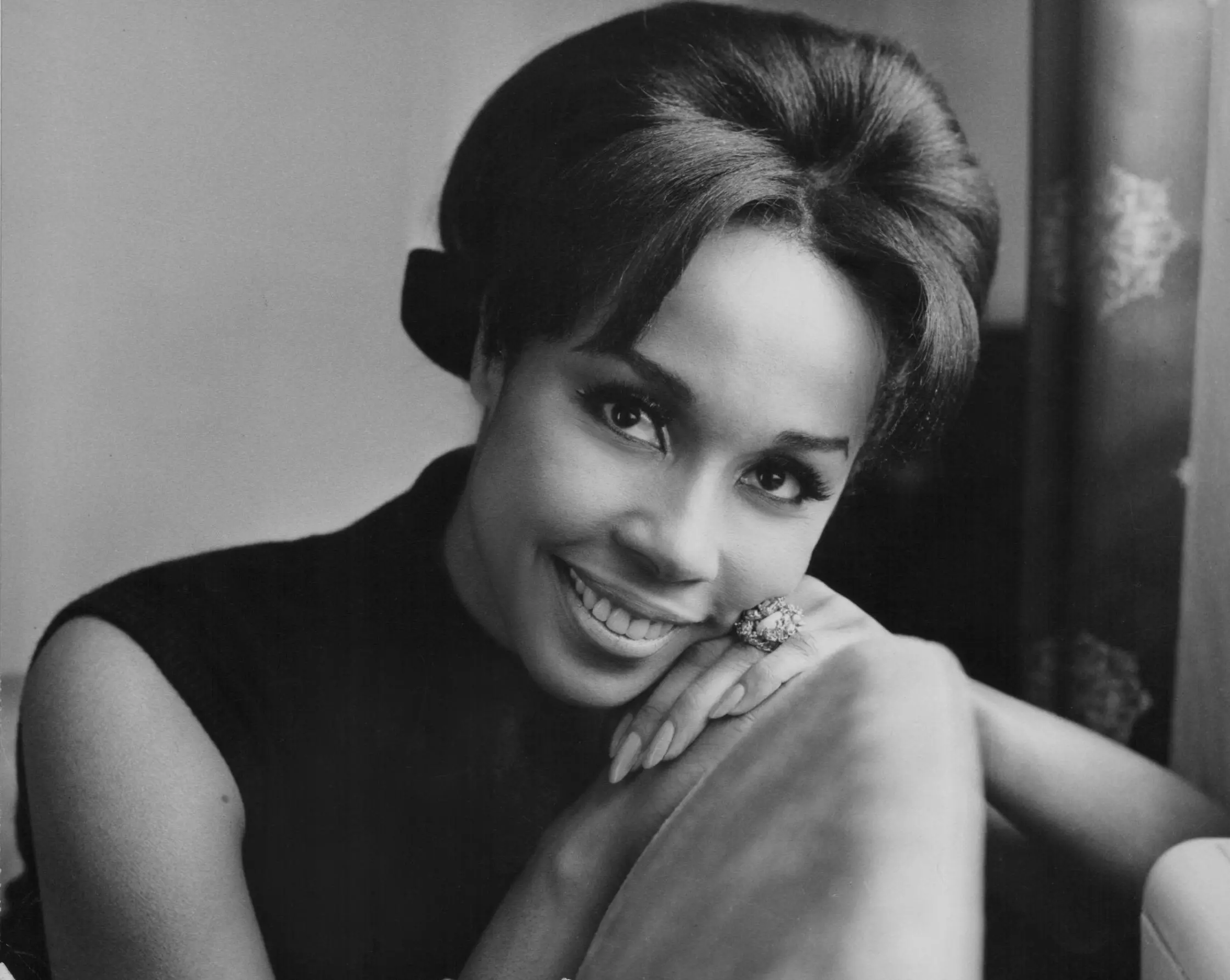
Diana Pemberton left a mathematics PhD two years from completion when a data intelligence firm with government contracts came calling. She wanted to see how the system actually worked. She spent six years finding out. In 2022 she produced an analysis that was correct in every detail. It was operationally deprioritised in September.
Kalshi event contracts isolate single outcomes—like whether iPhone unit sales exceed a threshold—independent of broader market price movements. A fund already using options and futures for price-based hedging can use event contracts for outcome-based hedging at different points in its risk structure. According to Joe Grubb of Susquehanna Predictions, this allows institutional investors to be much more creative with hedging types by targeting specific events rather than price exposure alone.
Cantor Fitzgerald's institutional block trading route, announced August 19, allows roughly three thousand hedge funds and family offices to negotiate bespoke event contracts away from Kalshi's central order book, with Susquehanna Predictions pricing and supplying liquidity. The contracts institutions want—AI supply-chain disruptions, computing cost thresholds, carbon-allowance outcomes—are too thin and custom for standard order-book trading, and the legal status of these custom contracts under CFTC self-certification rules has not been tested at scale.
Cantor Fitzgerald's entry signals to compliance officers at pension-adjacent funds that prediction markets are no longer frontier instruments, legitimizing institutional participation through a major Wall Street balance sheet. While Clear Street, Marex, and Talos previously built routes to prediction markets, Cantor's distribution across three thousand institutions and its scale as an intermediary represent an institutional gatekeeping step that may accelerate cautious adoption.
Susquehanna Predictions prices Kalshi block trades arranged through Cantor Fitzgerald's Global Markets division and supplies liquidity for those institutional contracts. Kalshi itself, as the underlying exchange, publishes contract terms and resolution criteria, though custom bespoke contracts negotiated in the block trading framework operate outside the central order book and may have limited public pricing visibility compared to retail-traded event contracts.
Tether.bet closure draws Labour scrutiny over unlicensed UK access
Diana Pemberton
8h ago
UK gambling operators fail identity checks in pilot programme
Diana Pemberton
1d ago
Pennsylvania's HB 2711 bets on state authority Kalshi has already beaten
Diana Pemberton
2d ago
Kalshi wins a federal stay but Maryland courts are not bound by it
Diana Pemberton
2d ago