
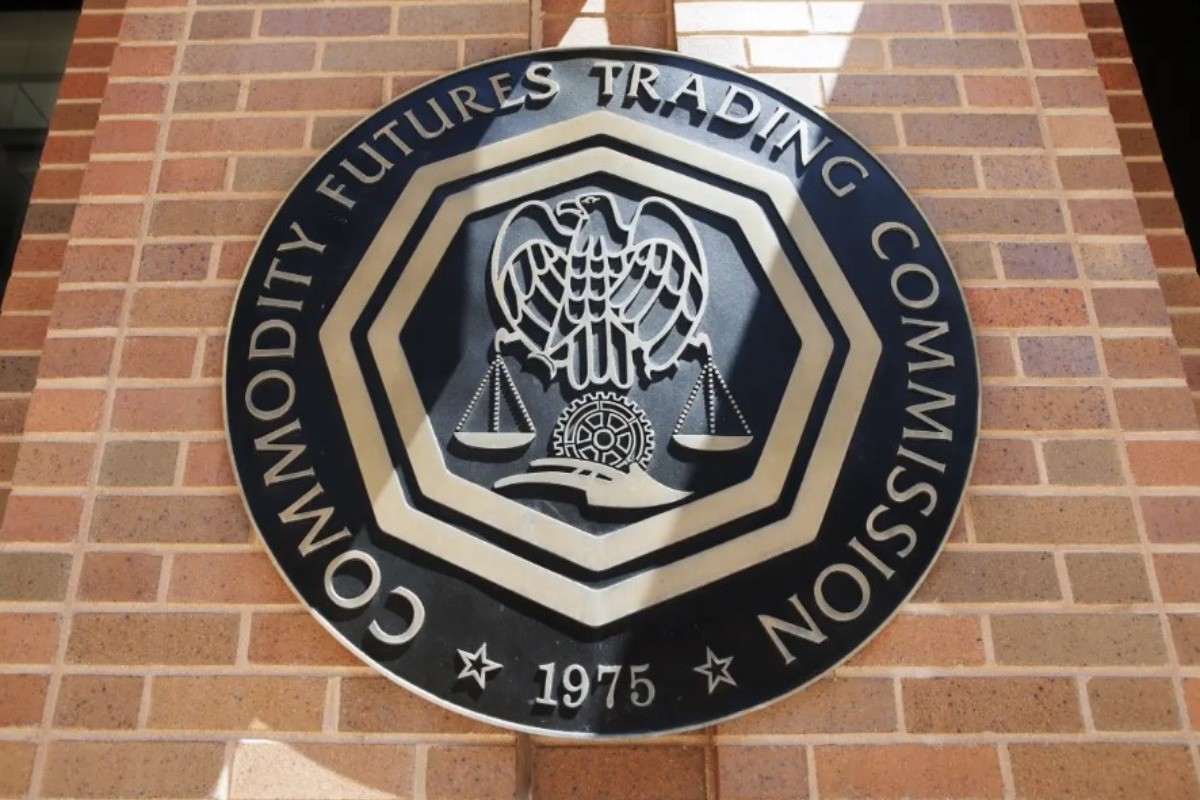
A federal regulator and a state court judge are now pointing in opposite directions at the same company, and the gap between those two positions is where the prediction market industry will be decided.
Kalshi has spent the better part of two years arguing that the Commodity Futures Trading Commission, not state gambling authorities, holds jurisdiction over its contracts. That argument worked. The CFTC agreed, at least provisionally, and Kalshi has operated under that federal umbrella while expanding aggressively into politics, sports, and a range of event categories that traditional exchanges would not touch. The company built its business on the premise that federal preemption was settled.
A King County judge disagreed. The halt order covering Washington state did not engage with the merits of the contracts themselves so much as it questioned whether federal preemption of state gambling law was as complete as Kalshi had claimed. That is a different attack vector than the one the company had prepared for, and Baltimore's lawsuit against both Kalshi and Polymarket — framed around sports wagering specifically — suggests the state-level pressure is coordinated enough to constitute a strategy rather than isolated dissent.
The CFTC's announced review of event contracts arrives into this. The sources describe the regulator moving toward formalising rules, which sounds like clarity. In practice, a formal rulemaking process takes time that the state litigation does not give, and the interim creates exactly the ambiguity that litigants exploit. The gap between a federal agency saying "we will establish rules" and a state court saying "halt in the meantime" is where operating companies absorb losses.
Here is where the consensus reads this wrong: most commentary treats the legal pressure as primarily a Kalshi problem, because Kalshi is the named defendant in the most visible actions. The structural exposure is broader. Any platform operating event contracts under a CFTC framework that is not yet fully codified faces the same state-level challenge the moment a motivated attorney general or municipal government decides to file. Kalshi is the test case because it moved fastest and most visibly, which made it the obvious target. The legal theory being tested against Kalshi will be applied elsewhere if it survives.
The CFTC review complicates this in a specific way that has not received enough attention. A regulator conducting a review has signalled openness to changing its position. That signal, however unintentional, hands state litigants an argument: if the federal framework is still being formed, then federal preemption of state gambling law cannot yet be complete. The review that was presumably intended to strengthen the regulatory foundation may, in the short term, weaken the preemption defence.

