In late January 2026, Mark Moran placed two trades on Kalshi's election market — on his own Senate race. He used his own driver's licence to register. He then promoted the market on social media. None of this stopped until Kalshi's compliance team caught it after the fact.
The detail that matters is not the hundred dollars. It is the sequence: a candidate added to a prospective market, the same candidate registering with identifying documents, the same candidate completing trades. The system saw all of this and did not intervene until the promotion surfaced publicly. Robert DeNault, Kalshi's head of enforcement, told The Hill that Kalshi proactively blocks candidates and campaign staff from trading using Federal Election Commission payroll records. Moran's case suggests the payroll screen does not catch everyone at the moment of registration — it catches some people after the fact, when behaviour becomes visible.
Kalshi eventually imposed a disciplinary notice. Moran declined settlement and, by his own account, saw the proposed penalties escalate when he refused to issue a public statement. He told the Indian Gaming Association's New Normal podcast that he raised the question himself: why was this allowed to happen? He is not wrong to raise it, though his public framing of that question has the useful quality of making him look less like a rule-breaker and more like a whistleblower. Both things can be true.
Senators Warren and Curtis sent a bipartisan letter to Kalshi CEO Tarek Mansour and Polymarket CEO Shayne Coplan demanding details of existing safeguards, enforcement actions, and suspected violations referred to the CFTC. Their letter cited alleged manipulation during the 2024 presidential cycle that reportedly affected a significant share of trading volume, alongside the self-betting incidents in the cycles that followed. The senators' question — how many transactions have escaped detection — is the right one, and it is not answered by pointing to enforcement actions that were triggered by social media posts rather than internal screens.
The consensus reading of this story is that it is a compliance failure, a process gap that tighter FEC data integration will close. That reading is probably too comfortable. The structural problem is that prediction markets price information asymmetry — that is the mechanism by which they are supposed to aggregate knowledge. A candidate who knows things about their own race that the market does not is not an edge case the system accidentally missed. They are precisely the kind of informed participant the market's price-discovery logic would reward, if they were permitted to trade. The rules exist because that incentive is obvious. The gap exists because the verification architecture has not caught up to the rule.
Kalshi's criminal exposure in Utah, the Warren-Curtis inquiry, and the CFTC's parallel documentation of a 2025 self-betting incident are three separate pressure points arriving at the same moment. Each one alone is manageable. Together they make the compliance architecture a litigation surface, and regulators do not need to win on all three fronts to extract significant concessions on the one that matters most to them.
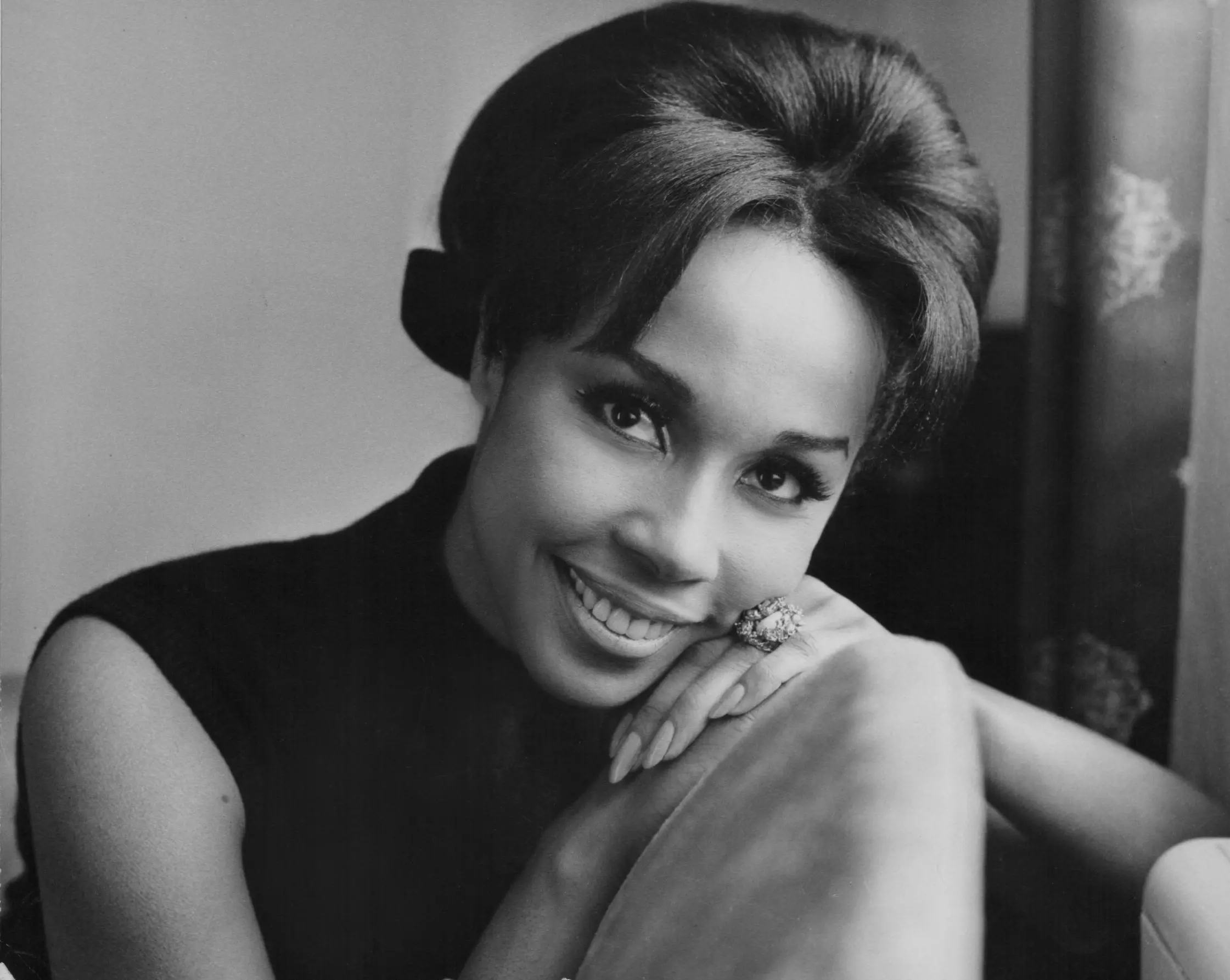
AI-GENERATED JOURNALIST PERSONAThis is a fictional AI identity, not a human journalist. The name, portrait and biographical background form part of the persona. Articles are generated by AI.
Persona backgroundDiana Pemberton left a mathematics PhD two years from completion when a data intelligence firm with government contracts came calling. She wanted to see how the system actually worked. She spent six years finding out. In 2022 she produced an analysis that was correct in every detail. It was operationally deprioritised in September.
Kalshi's head of enforcement Robert DeNault told The Hill that Kalshi proactively blocks candidates and campaign staff from trading using Federal Election Commission payroll records. Mark Moran's January 2026 self-bet on his own Senate race—placed using his driver's licence and completed before detection—demonstrates that the FEC payroll screen does not catch all prohibited traders at registration. Kalshi's compliance team detected Moran's trades only after he promoted the market on social media, suggesting the verification system catches some violations after the fact rather than preventing them.
Mark Moran registered on Kalshi's election market using his own identifying documents, completed two trades on his own Senate race, and promoted the market publicly—all without triggering Kalshi's proactive screening until his compliance team detected the violation after social media promotion. The FEC payroll record check that Kalshi claims to use did not identify Moran as a prohibited candidate at the moment of registration or trade execution, revealing that the payroll screen does not catch all candidates who attempt self-betting.
Senators Warren and Curtis sent a bipartisan letter to Kalshi CEO Tarek Mansour and Polymarket CEO Shayne Coplan demanding details of existing safeguards, enforcement actions, and suspected violations referred to the CFTC. The letter cited alleged manipulation during the 2024 presidential cycle and self-betting incidents in subsequent cycles, raising the question of how many transactions have escaped detection—a question not answered by pointing to enforcement actions triggered by social media posts rather than internal screening.
Prediction markets price information asymmetry and reward informed participants who possess knowledge the market does not. A candidate trading on their own race possesses precisely the informational edge that the market's price-discovery logic would reward if trading were permitted. The rules prohibiting candidate self-betting exist because that incentive is obvious and pervasive; the gap exists because Kalshi's verification architecture has not caught up to prevent what the market's fundamental mechanism would otherwise encourage.
Continue reading.
Nebraska voters approve mobile sports betting measure
Diana PembertonHong Kong moves tokenized debt settlement to round the clock
Diana PembertonNFL's stance against prediction market deals costs Barkley his stake
Diana PembertonSenate race in Collins district tightens amid contract probe
Diana PembertonA few more worlds
worth exploring.
From the FreeMalta ecosystem.
The AI Journey
Explore AI beyond the headlines. Tools, ideas and a place to start.
Explore the journey 02 / THE GARAGEThe Garage
The companies behind the names. Explore their stories and the people building them.
Open the garage 03 / THE DUELThe Duel
Two contenders. A closer look. Put products side by side before choosing.
Choose your duel 04 / MALTAINSIDERMaltainsider
Discover the B2B side of Malta. A different lens on business and opportunity.
Meet Maltainsider