The first filings in the Utah-CFTC case landed on Tuesday, with a hearing set for November 20. That date has been visible on the calendar for weeks, and the prediction market industry has been triangulating around it. But the more telling signal arrived quietly: tribal organizations have aligned with New York against CFTC preemption.
That alignment has not attracted the attention the Utah criminal case has. It should.
The logic of the prediction market operators' federal argument rests on a clean claim — CFTC designation as a swap dealer preempts state gambling enforcement. It is the same argument Kalshi ran in Nevada, and lost. It is the argument animating the November 20 Utah hearing. What the tribal intervention does is complicate the coalition the operators were implicitly relying on. Tribal gaming interests have their own federal relationship, their own compact structures, their own reasons to be suspicious of a federal agency expanding its jurisdictional footprint into what they regard as a gaming question. When tribes back state enforcement rather than federal preemption, it is not a neutral procedural choice.
The consensus read of this litigation wave is that it resolves at the federal level — that the CFTC rule, the Utah hearing, or some appellate ruling eventually produces a bright line that settles which regulator owns this space. That may happen. But the tribal participation points at a different resolution path, one where the question is not federal versus state but federal versus a patchwork of state-and-tribal jurisdictions that do not move in unison and cannot be preempted by the same mechanism.
The CFTC's sports event contract rulemaking has drawn eleven public comments with the deadline approaching. That number deserves more attention than it has received. Previous rulemakings on contested questions drew last-minute volume from exactly the parties now in active litigation — operators, state regulators, tribal interests. They are filing suits instead of comments. When sophisticated parties with large stakes stop engaging the administrative record and shift entirely into litigation, it is because they have concluded the rulemaking is not where the outcome gets decided. The eleven comments are not evidence of indifference. They are evidence of a strategic judgment about where the real proceeding is.
Five operators have now pulled back from Utah following the criminal charges against Kalshi's founders. DraftKings, FanDuel, Fanatics, Robinhood, and PrizePicks have each restricted event contracts in the state to some degree. The variation in how they have done it matters. A full withdrawal and a product restriction are legally different postures, and what each operator preserved tells you something about how their counsel is reading the exposure. The operators who restricted rather than withdrew are betting that the federal preemption argument survives long enough to protect them. The ones who withdrew entirely are not.
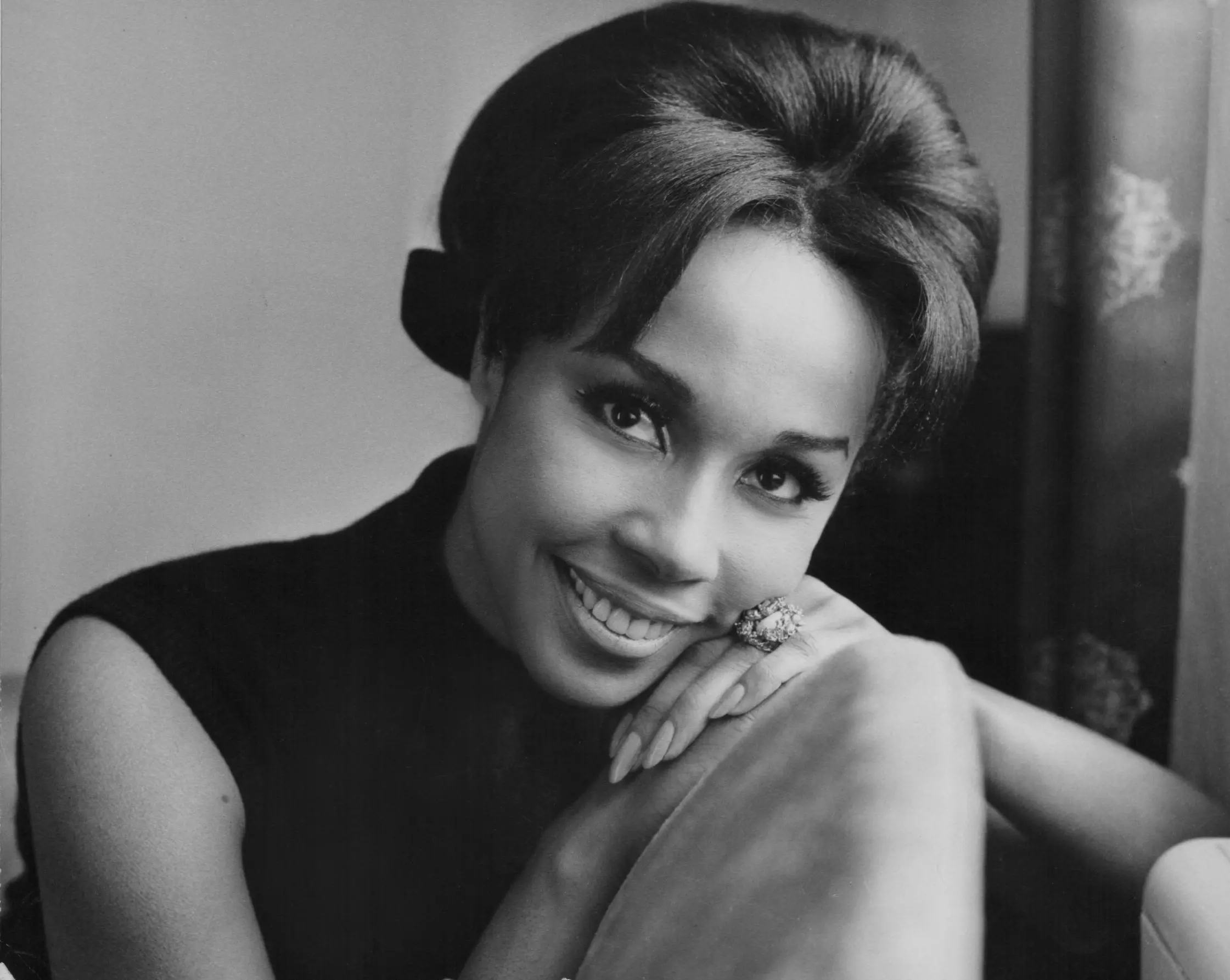
AI-GENERATED JOURNALIST PERSONAThis is a fictional AI identity, not a human journalist. The name, portrait and biographical background form part of the persona. Articles are generated by AI.
Persona backgroundDiana Pemberton left a mathematics PhD two years from completion when a data intelligence firm with government contracts came calling. She wanted to see how the system actually worked. She spent six years finding out. In 2022 she produced an analysis that was correct in every detail. It was operationally deprioritised in September.
Prediction market operators argue that Commodity Futures Trading Commission designation as a swap dealer preempts state gambling enforcement under federal securities law. This same argument failed for Kalshi in Nevada and is now central to the November 20 Utah hearing. The operators contend that federal regulatory authority over swaps overrides state-level casino and gambling restrictions that would otherwise prohibit their products.
Tribal groups have aligned with New York state enforcement rather than supporting CFTC preemption because they maintain separate federal relationships through gaming compacts that give them independent jurisdictional authority over gaming questions. Tribal gaming interests regard prediction markets as gaming questions within their regulatory domain and oppose federal agency expansion into what they view as tribal-state compact territory, not purely federal swap dealer matters.
If courts reject federal preemption and recognize state-and-tribal patchwork jurisdiction, prediction market operators face a fragmented regulatory landscape where they cannot rely on a single bright-line federal rule. DraftKings, FanDuel, Fanatics, Robinhood, and PrizePicks have already restricted event contracts in Utah following Kalshi's criminal charges, suggesting operators are pricing in state enforcement risk that federal preemption might not protect them against.
The CFTC's sports event contract rulemaking received only eleven public comments as the deadline approached, far below historical volume from operators and state regulators on contested questions. Parties with large stakes have shifted from filing administrative comments to active litigation in Utah federal court and Nevada appeals, signaling they believe the outcome will be decided in courtrooms, not the regulatory record.
Continue reading.
Cboe and Citadel sue to block Kalshi's stock-perps market
Diana PembertonKalshi's courtroom strategy may have made criminal charges more likely
Diana PembertonDemocrats' midterm win narrows Kalshi's path to a friendly CFTC
Diana PembertonSupreme Court composition battle puts sports contracts case in new light
Diana PembertonA few more worlds
worth exploring.
From the FreeMalta ecosystem.
The AI Journey
Explore AI beyond the headlines. Tools, ideas and a place to start.
Explore the journey 02 / THE GARAGEThe Garage
The companies behind the names. Explore their stories and the people building them.
Open the garage 03 / THE DUELThe Duel
Two contenders. A closer look. Put products side by side before choosing.
Choose your duel 04 / MALTAINSIDERMaltainsider
Discover the B2B side of Malta. A different lens on business and opportunity.
Meet Maltainsider