
GAMBITY
Gambity Regulatory Watch CFTC approval and a state court injunction now gov…
Regulatory Watch Analysis

CFTC approval and a state court injunction now govern the same

The doctrine at issue is federal preemption under the Supremacy Clause.
CFTC approval and a state court injunction now govern the same

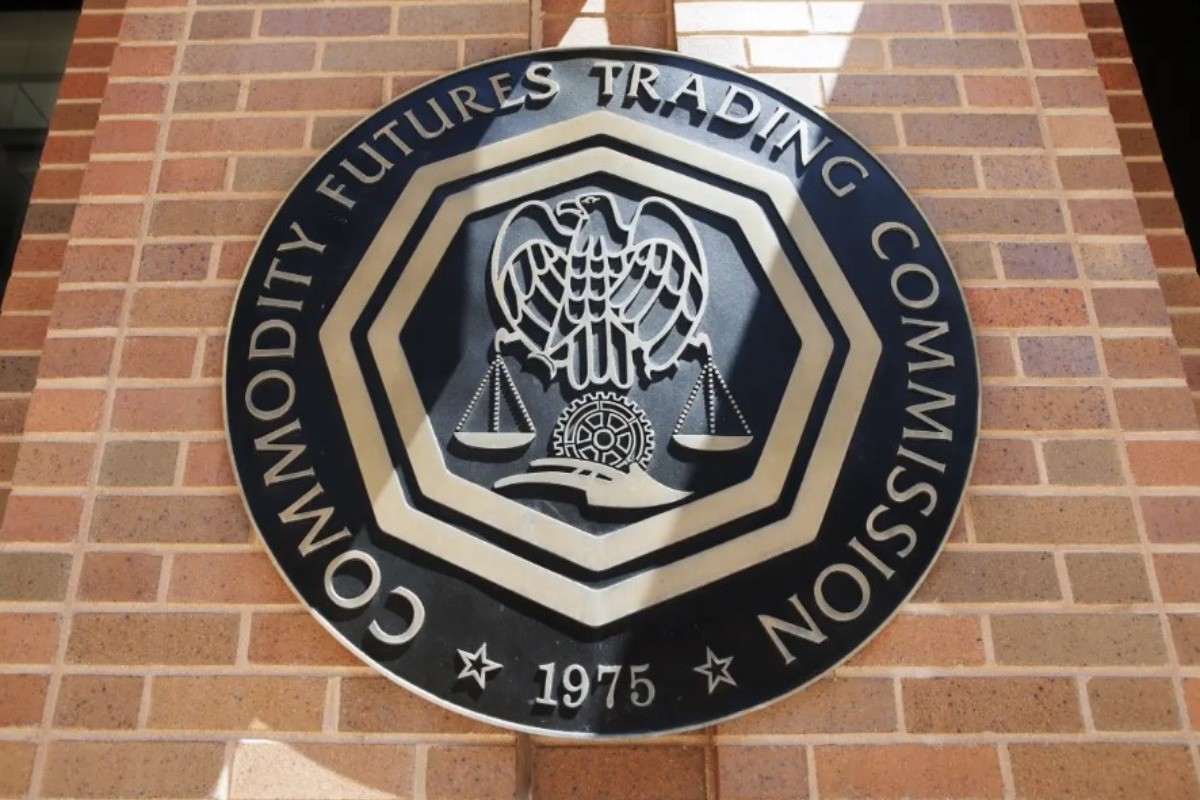
When the CFTC granted Kalshi federal designation as a contract market, the Commission's position was that event contracts fall under the Commodity Exchange Act and that federal law governs them. King County Superior Court Judge John McHale looked at the same contracts — sports, elections, politics, entertainment, technology, science — and found something the federal framework had not resolved: that Washington state's gambling statutes apply, and that Kalshi is likely violating them. His preliminary injunction does not wait for that question to be fully litigated.

Two authoritative bodies have now issued directly contradictory instructions to the same company about the same products. That is not a compliance problem. It is a constitutional one.

The doctrine at issue is federal preemption under the Supremacy Clause. The Commodity Exchange Act contains a preemption provision, and Kalshi's argument before the CFTC has consistently been that its federal designation settles the question of state authority. The CFTC has, at minimum, declined to contradict that position. But a federal agency's comfort with a regulated entity's operations does not automatically displace state law. Preemption requires either an express statutory command, a direct conflict between federal and state law that makes simultaneous compliance impossible, or a field so thoroughly occupied by federal regulation that state law has no room to operate. Kalshi now has to establish one of those three in a Washington courtroom, and Judge McHale's preliminary finding suggests he is not persuaded that the case is obvious.

I have seen this configuration before — a federally licensed entity operating under the assumption that its license answers every downstream state-law question. It never does. The license tells you what the federal regulator permits. It does not tell you what a state court will do with its own gambling statute when a company's product looks, to a judge in King County, like gambling.

The Nevada geofencing fine adds a separate dimension. A state regulator fined Kalshi for inadequate geofencing — meaning Kalshi's technical controls for blocking state residents from accessing restricted contracts were considered insufficient. Kalshi is contesting that fine. The Washington injunction now means the geofencing question is no longer merely technical. Compliance with the injunction requires that Kalshi's geofencing actually work. If the Nevada proceeding establishes that the company's geofencing has been unreliable, that finding travels into every state enforcement action that follows.

What Judge McHale's order cannot resolve is the structural question that sits above it: whether Congress, in authorizing the CFTC to regulate event contracts, intended to occupy the field entirely. That question moves up, not sideways. It lands in federal court, and eventually it may require a circuit to weigh in on how much space the Commodity Exchange Act leaves for state gambling regulators.

The legal standard that governs a preemption defense in this circuit requires the party asserting federal preemption to show that the state law actually conflicts with the federal statutory scheme, not merely that the federal scheme is comprehensive.

Victoria Blackwell
About the analyst
Legal & Regulatory Analyst
Victoria Blackwell made partner at a top-tier Wall Street securities litigation firm at thirty-one — one of the youngest in the firm's history. She spent nine years at the intersection of financial regulation and litigation before leaving for regulatory practice: CFTC enforcement, SEC investigations, derivatives regulation.
Share this analysis
Frequently Asked

The Supremacy Clause requires preemption to be established through one of three paths: an express statutory command, a direct conflict making simultaneous compliance impossible, or federal regulation so thorough that state law cannot operate. The Commodity Exchange Act contains a preemption provision, and Kalshi has argued its CFTC designation settles state authority, but a federal agency's approval does not automatically displace state gambling statutes. Judge McHale's preliminary finding in King County Superior Court suggests the preemption case is not straightforward.

Judge McHale found that Washington state's gambling statutes apply to the same event contracts that the CFTC designated under the Commodity Exchange Act, and that Kalshi is likely violating those state laws. The CFTC's position that federal law governs event contracts did not resolve the state-law question that Washington courts retained. McHale's preliminary injunction proceeded without waiting for full litigation of whether state gambling law displaces the federal framework.

Kalshi must now ensure its geofencing actually blocks state residents from restricted contracts to comply with the Washington injunction, while contesting Nevada's separate fine for inadequate geofencing controls. If the Nevada proceeding establishes that Kalshi's geofencing has been unreliable, that factual finding becomes available evidence in every state enforcement action that follows. The geofencing question transforms from a technical compliance issue into a central element of the broader state-law conflict.

The structural question of Congressional intent moves from state court into federal court, where it may ultimately require a circuit court to weigh how much authority Congress granted the CFTC over event contracts relative to state gambling regulation. Judge McHale's order cannot resolve this question; it only surfaces it. The answer determines whether the Supremacy Clause ultimately favors Kalshi's federal designation or permits state enforcement alongside it.

Continue Reading