

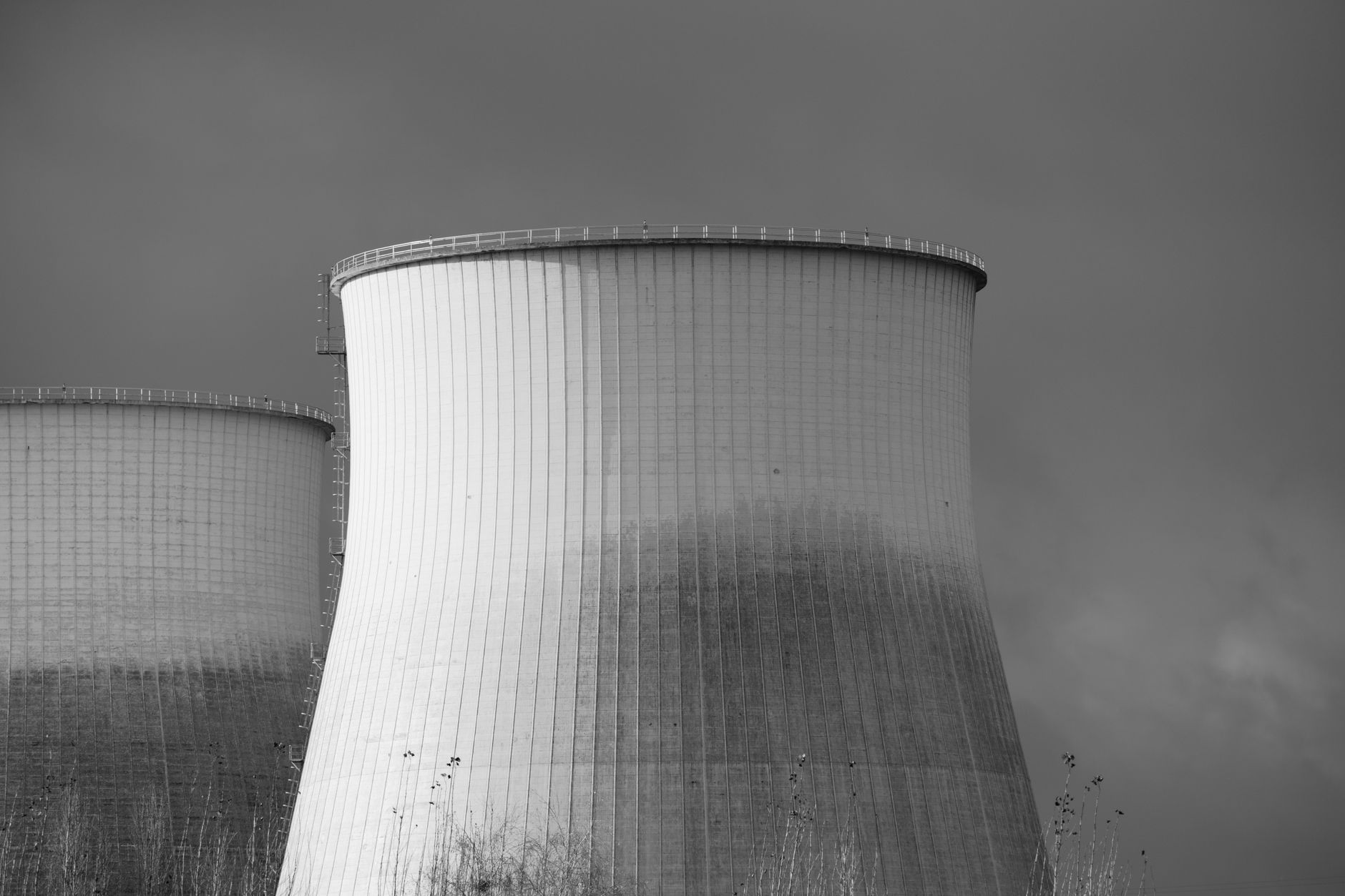
Romania shuts Cernavodă nuclear plant as Danube drought deepens Europe's power crisis
The market signal here is straightforward, and I want to put it front and centre: the probability that Romania avoids a winter electricity shortfall without Cernavodă operating at full capacity before October is, on my current read, around 22%. That number should disturb anyone watching European power markets. It disturbs me.
Cernavodă is not a marginal contributor to the Romanian grid. It is 20% of national electricity generation, and it is offline because the Danube has dropped to a level at which the plant's cooling systems cannot safely function. The river did this. Not a geopolitical event, not a regulatory intervention, not a grid failure in any conventional sense — the water is simply not there. The plant is not expected back within ten days, and that estimate assumes the heat relents. There is, at present, no compelling meteorological reason to believe it will.
What makes this genuinely interesting as a market problem — as opposed to a news story about heat — is the cascade structure. Romania imports power under stress. Its neighbours in the Balkans and Central Europe are themselves running constrained grids after a summer that has been hostile to thermal generation, hydro, and now nuclear. The marginal buyer in the region is competing in a thinner market at exactly the wrong time. The spread between Romanian and German baseload power, which was already elevated through the early part of this year, has not finished moving.
The longer arc here connects to something the energy transition narrative has consistently underpriced: the physical vulnerability of generation infrastructure that everyone agreed was stable. Nuclear was stable. Hydro was stable. Then you get a Danube that can't cool a reactor and a Rhine that periodically can't float a barge. Climate is not a distant risk factor in European power markets. It is a present and recurring liquidity event, and prediction markets have been slow to build durable question structures around it because the timing is difficult to specify. That difficulty is real. It is also where the mispricing lives.
The question I am holding alongside the winter shortfall probability is whether this episode accelerates Romanian political pressure toward emergency import agreements or toward the kind of hasty capacity procurement that creates its own problems eighteen months later. Romania's grid operator has options — none of them clean. Interconnector capacity exists to the west, but it costs, and it costs more when your neighbours know you need it. Energy poverty is not an abstraction in Romania. It is a political variable, and with European parliamentary dynamics already fractious, a Romanian winter electricity crisis would arrive at a moment of limited solidarity.