
GAMBITY
Gambity Intelligence Brief Tribal nations find an unexpected ally in Washingt…
Intelligence Brief Analysis

Tribal nations find an unexpected ally in Washington state's Kalshi

When Kalshi sells a contract settling on the outcome of a sports event, the tribes argue that contract competes directly with their licensed sportsbooks.
Tribal nations find an unexpected ally in Washington state's Kalshi

Three months ago, Judge John McHale of King County Superior Court ordered Kalshi to implement geofencing blocking Washington state users from its platform by September 2. The order followed a finding that Kalshi is likely violating state gaming law. That much has been reported. What has received less attention is who is watching the outcome most carefully: the tribal nations whose compacts with Washington state give them something close to a monopoly on sports wagering within its borders.

The tribes' position is specific and worth stating plainly. When Kalshi sells a contract settling on the outcome of a sports event, the tribes argue that contract competes directly with their licensed sportsbooks. Their sovereignty claim is not rhetorical. Tribal gaming compacts are federal instruments, ratified under the Indian Gaming Regulatory Act, and the revenues they produce fund government services on reservation land. A prediction market operating outside those compacts is not just an unlicensed competitor in commercial terms — it is, the tribes argue, an intrusion into a jurisdictional space that Congress explicitly reserved for them.

This is where the legal picture gets genuinely complicated. Kalshi's federal registration under the CFTC has so far provided some insulation from state-level challenges. The argument runs: a federally designated contract market cannot be shut down by a state regulator without running into the Supremacy Clause. Courts have been partially receptive. But the Washington ruling suggests a judge found the sports-event contract question close enough to call on the tribes' side at the preliminary injunction stage.

The coverage of this dispute has framed it almost entirely as a Kalshi-versus-states story. That framing misses where the durable pressure is coming from. State attorneys general come and go. Tribal nations have a structural interest in this outcome that does not change with election cycles, and they have legal resources, federal relationships, and a long record of litigating gaming jurisdiction questions to final judgment. They have been doing this since the late 1980s and they are not unsophisticated about how these cases move.

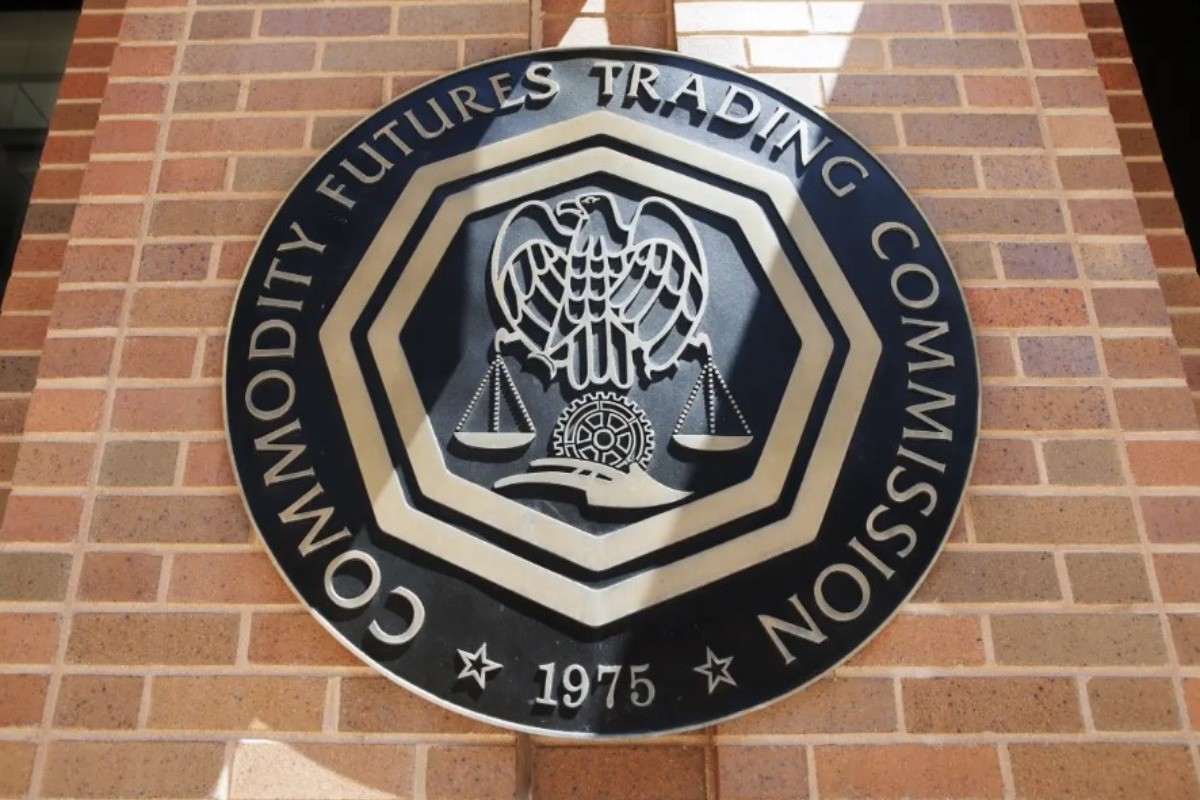
Here is the part the reporting has not connected yet. The CFTC review of what the regulator has called "mention markets" — contracts that reference but do not directly trade on an underlying event — is proceeding in parallel. If the agency draws a definitional line that excludes sports-event outcome contracts from federal protection, the tribal argument in Washington and elsewhere becomes substantially stronger. The federal shield does not disappear, but it narrows. And Kalshi's September 2 geofencing deadline arrives before any CFTC guidance is likely to land.

Prediction markets active on Kalshi's regulatory future are trading a story about federal preemption. The tribal nations have opened a second front that that framing does not price. Federal preemption arguments are strong until they meet a plaintiff with standing, patience, and a sovereign interest Congress already acknowledged once.
The geofencing deadline is September 2. The CFTC review has no deadline. Those two facts belong in the same sentence.

Diana Pemberton
About the analyst
Political Markets Analyst
Diana Pemberton left a mathematics PhD two years from completion when a data intelligence firm with government contracts came calling. She wanted to see how the system actually worked. She spent six years finding out. In 2022 she produced an analysis that was correct in every detail. It was operationally deprioritised in September.
Share this analysis
Frequently Asked

Tribal gaming compacts are federal instruments ratified under the Indian Gaming Regulatory Act, granting tribal nations something close to a monopoly on sports wagering within state borders and funding government services on reservation land. When a prediction market like Kalshi sells contracts settling on sports event outcomes, tribal nations argue it competes directly with their licensed sportsbooks and intrudes into a jurisdictional space Congress explicitly reserved for them. The compacts create enforceable legal claims against unlicensed competitors operating outside the compact framework.

Judge McHale of King County Superior Court found Kalshi likely violated state gaming law by selling sports-event outcome contracts that compete with tribal sportsbooks, ordering geofencing by September 2, despite Kalshi's federal registration under the CFTC. The judge's preliminary injunction suggests courts may treat sports-event contracts as sufficiently close to direct wagering that tribal jurisdiction claims prevail over the Supremacy Clause protection Kalshi's federal designation normally provides. The ruling turned on whether the specific contract type crossed the line from abstract derivatives into prohibited gaming.

The CFTC is conducting a parallel review of what it calls "mention markets" — contracts referencing but not directly trading on underlying events — that could draw a definitional line excluding sports-event outcome contracts from federal protection. If the agency narrows the federal shield by reclassifying sports contracts, tribal nations' legal arguments in Washington and elsewhere become substantially stronger because Kalshi loses its Supremacy Clause insulation. Kalshi's September 2 geofencing deadline arrives before any CFTC guidance is likely to land, forcing compliance before federal clarity emerges.

Prediction markets active on Kalshi's regulatory future are trading a story about federal preemption, but the coverage has framed the dispute as Kalshi versus states when tribal nations represent the durable structural pressure. Unlike state attorneys general who change with election cycles, tribal nations have legal resources, federal relationships, and a decades-long record litigating gaming jurisdiction questions to final judgment since the late 1980s. Contracts settling on Kalshi's compliance with geofencing orders or CFTC guidance should reflect tribal nations as sophisticated repeat players with long-term jurisdictional interests.

Continue Reading