
Bessent and Takaichi are pulling the yen rescue in opposite directions
The Gambity Prestige signal on a coordinated U.S.-Japan yen intervention holds at 31% — and the gap between that number and the optimism priced elsewhere is exactly where the analysis lives.
Scott Bessent's position is coherent on its own terms. Yen weakness has become a structural argument for Bank of Japan tightening: if the currency doesn't stabilize, imported inflation compounds, the BOJ loses the policy window it reopened with such difficulty, and the United States gets the secondary effects through dollar overvaluation and the carry trade unwind it has been managing since 2024. Bessent wants Takaichi to let Ueda finish what he started. The logic is clean.
Sanae Takaichi's position is also coherent on its own terms. She has never been comfortable with the BOJ's return to rate normalization. Her argument — that tightening into a fragile domestic demand environment risks repeating 2000 and 2006, both premature exits that required embarrassing reversals — is not frivolous. It is, in fact, the argument that was correct those two times. The problem is that it is being made now, publicly, while her Treasury counterpart is making the opposite argument publicly, and currency markets can read.
This is the model failure. Joint intervention — the kind that moved the yen meaningfully in 1995 and again in 2011 — requires governments to enter the market with a unified signal so clear that speculative positioning against them becomes too expensive to hold. The signal here is not unified. It is split at the ministerial level, and speculators know exactly where the split is. Bessent cannot credibly commit to a rescue operation that Takaichi has telegraphed she would rather not execute. Takaichi cannot credibly commit to BOJ independence she has spent her career questioning. The yen does not respond to ambiguity the way equity markets sometimes can; it responds to the credibility of the commitment, and credibility requires agreement on what is being committed to.
There is a secondary problem that the sources do not name but the timing makes unavoidable. Wednesday's U.S. CPI print is the variable neither side can control, and it lands directly into the center of this disagreement. If inflation comes in hot — Collins at the Boston Fed has already positioned for a September hike — the dollar strengthens on rate differential grounds regardless of what Tokyo and Washington say to each other. Bessent's case for BOJ tightening becomes harder to distinguish from a U.S. policy outcome that benefits the dollar. Takaichi's resistance to tightening becomes more politically defensible as the external pressure intensifies. The same data point tightens the trap from both sides.
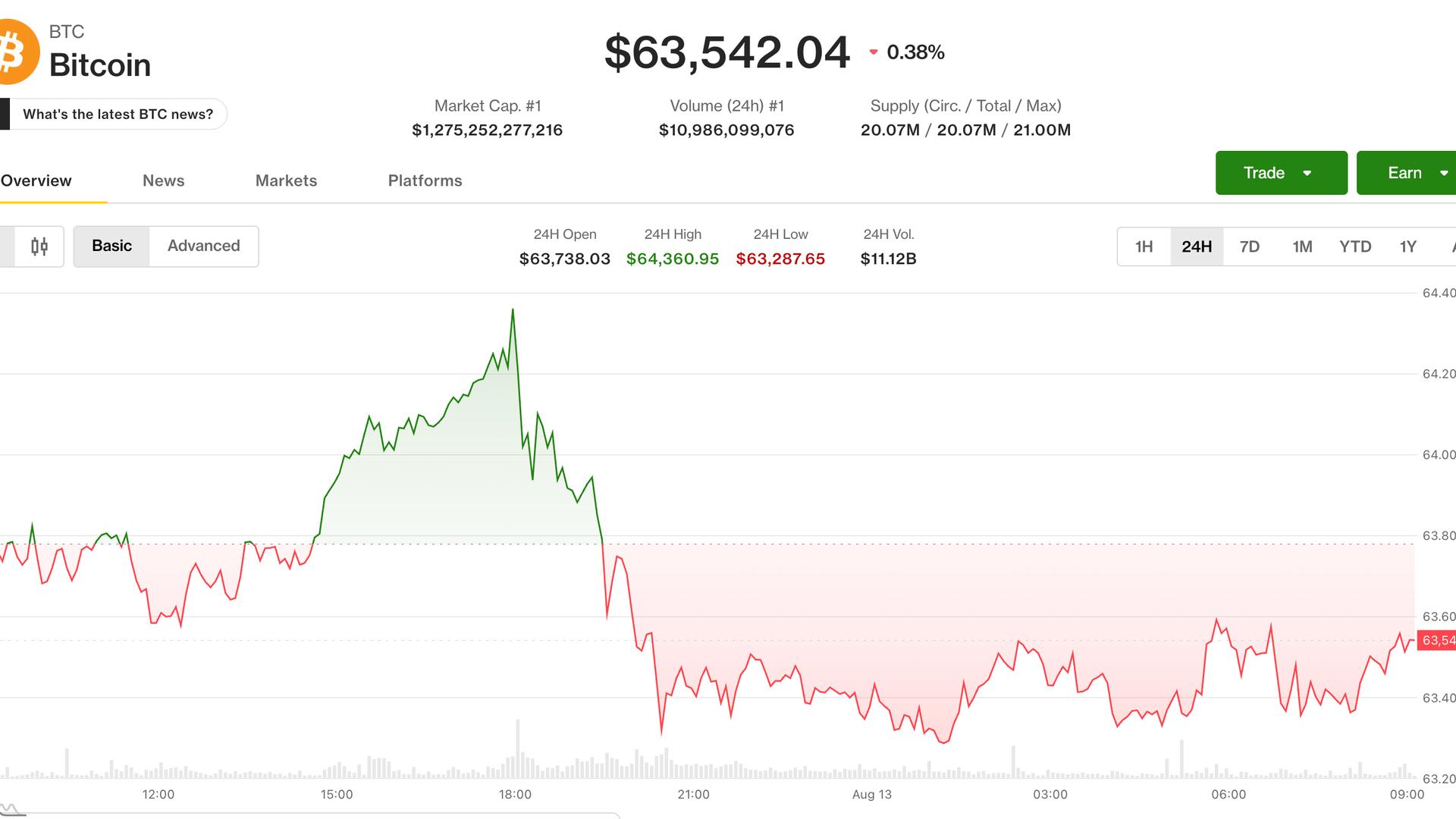
Gold climbing while Bitcoin drifts sideways tells you something about where institutional hedging is going ahead of that number. It is not a panic signal. It is a precision signal: the market knows which asset responds to inflation surprises and which responds to risk appetite, and it is separating them cleanly before Wednesday afternoon.
The 31% reflects one specific assumption: that Bessent and Takaichi reach operational agreement before the yen moves far enough that intervention becomes reactive rather than coordinated. Reactive intervention is expensive and often fails. Coordinated intervention is rare and requires trust between principals who are currently on record disagreeing.