

CPI Collision: Fed Cut Window Narrows 61%
The prediction market on a Federal Reserve rate cut by December 2026 sits at 61% — down six points from its post-payrolls peak on Friday, before oil started moving again.
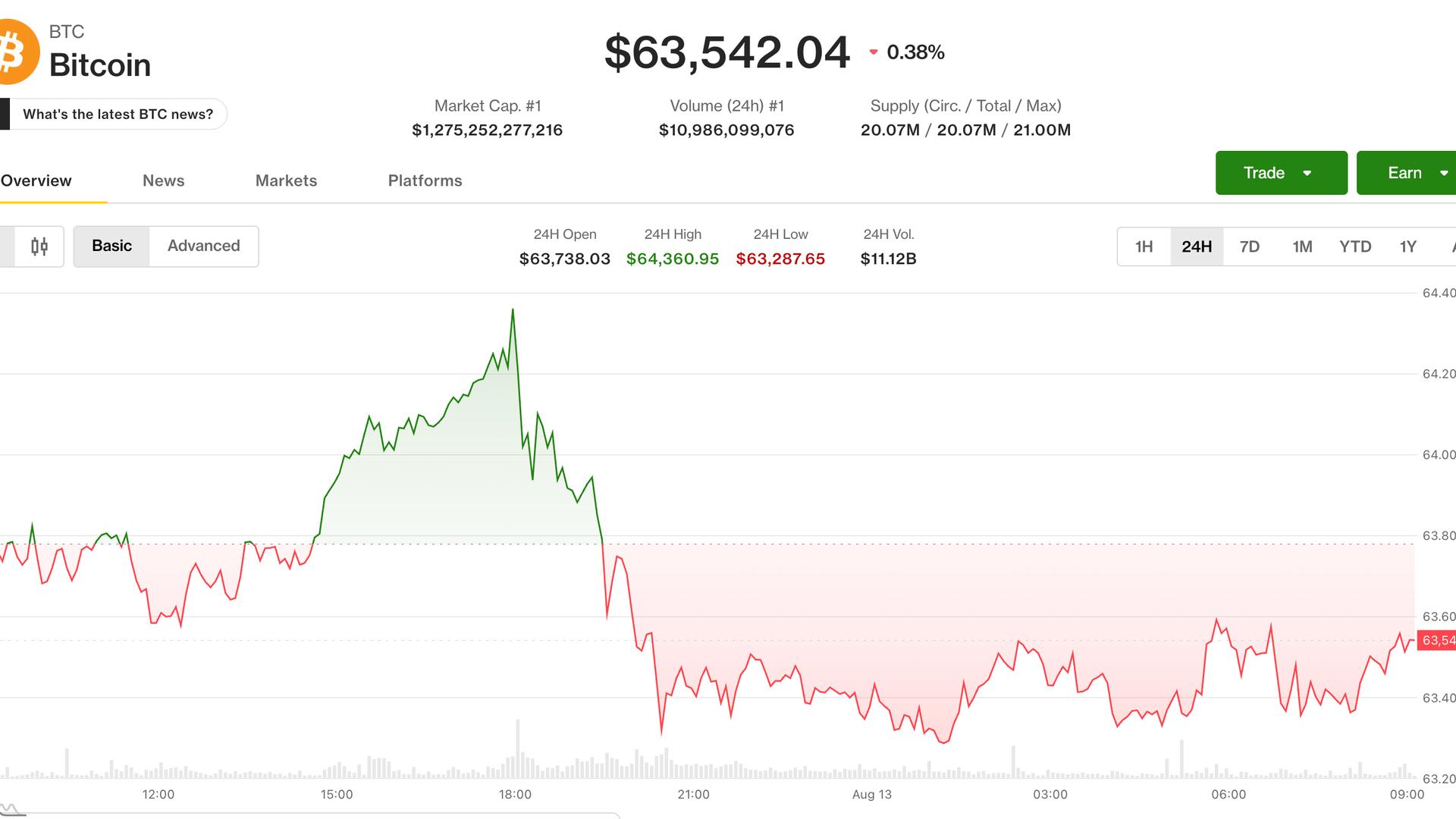
That number is doing a lot of work this week, and the tension inside it is worth understanding. Friday's jobs report was soft enough to give the doves a clean argument: wage growth is decelerating, hiring has stalled, the case for holding rates is weakening. The market ran with it. Equities pushed to record proximity, and the cut probability spiked briefly toward 67%. Then crude moved. Treasury yields followed. And by Monday's open, the S&P was flat, the Dow was slipping, and the market was quietly repricing what Wednesday means.
Wednesday is the CPI print. Jim Caron at Morgan Stanley Investment Management has said the quiet part: a hot number causes real problems for the Fed. Not just messaging problems — structural ones. Because the Fed does not get to run a dual mandate when the two mandates are pulling in opposite directions. Soft labor and sticky prices is not a pivot scenario. It is a hold scenario dressed in a pivot's clothing, and the market has not fully priced the difference. The gap between where cut odds were Friday afternoon and where they should be if core CPI comes in above 3.2% is somewhere between eight and twelve points. That gap is the trade this week.
The yen adds a layer. The joint U.S.-Japan intervention that briefly pushed dollar-yen lower has unwound roughly half its effect, and what remains is a central bank credibility problem. When intervention requires a unified voice and that voice fractures, markets learn the correct lesson: the boundary was softer than advertised. A weaker yen puts upward pressure on U.S. import prices at exactly the moment the Fed needs the CPI data to cooperate. This is not a tail risk. This is a transmission mechanism.
Then there is the Iran situation, which has stopped being background noise. Trump's comment that the U.S. is "only semi-negotiating" with Iran is not a diplomatic formulation — it is a signal about the distance between where talks are and where a deal would need to land. The Strait of Hormuz remains a conditional risk, not a resolved one. Oil is pricing that correctly. Equities, trading near record highs, are pricing it as though resolution is likely and imminent. One of those two asset classes is wrong, and historically when oil and equities diverge on a geopolitical supply question, equities revise.
The Shein IPO pricing below $30 billion — roughly a third of its 2022 valuation — is a separate signal but not an unrelated one. Risk appetite at the margin is being sorted by liquidity conditions, and if CPI surprises high Wednesday, the appetite that has been holding IPO discussions aloft gets repriced fast.
The 61% cut probability is not wrong given current information. It is the right number for a world where Wednesday's CPI prints in line with estimates. The question is whether anyone has actually looked at what oil, the yen, and a semi-negotiating President are together telling the model.