
Wildfire Bets: Senate at 58% to Ban
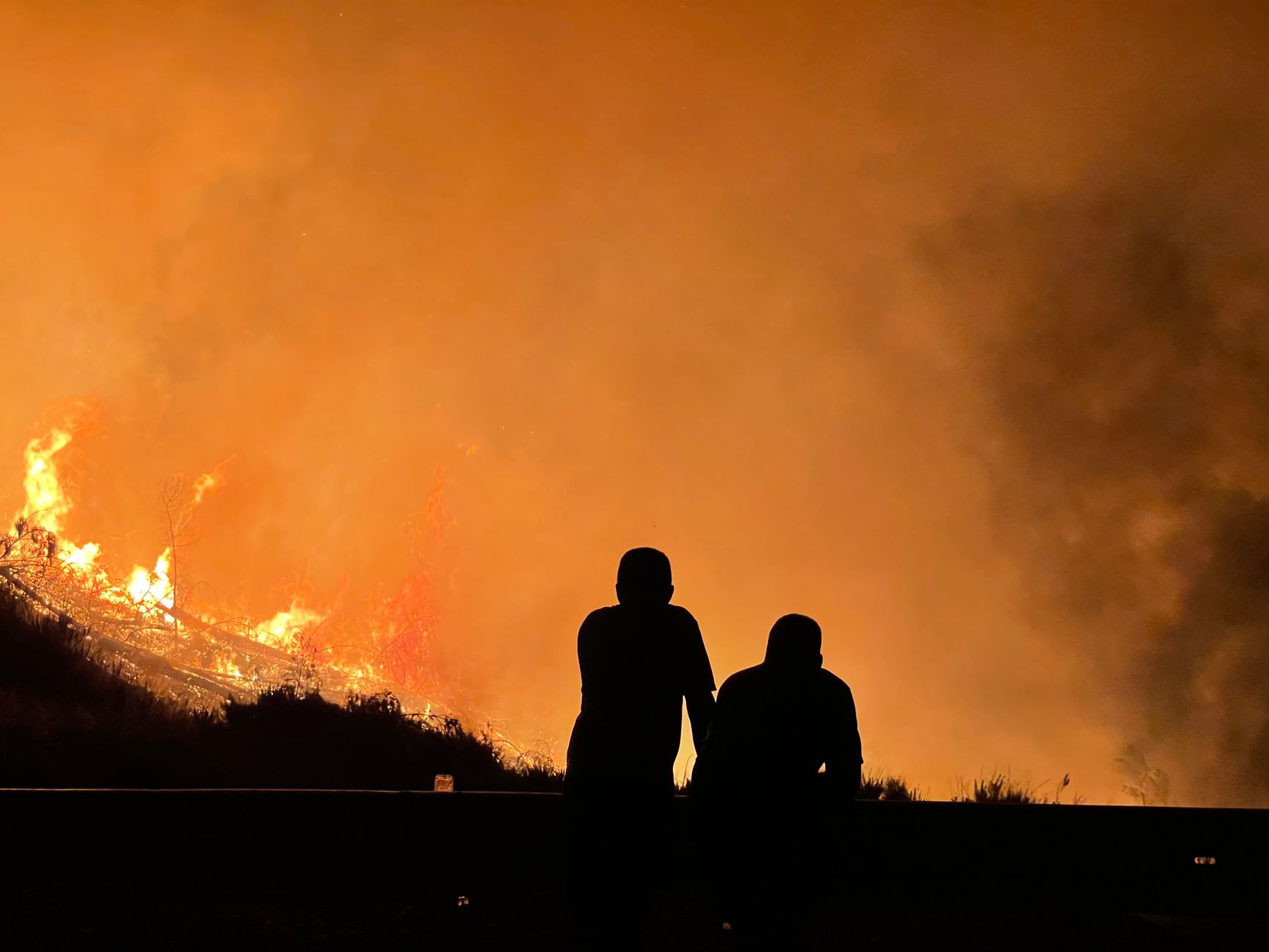
Three Democratic senators walked into the CFTC's building with a letter and a political argument dressed as a regulatory one. The argument: prediction markets on wildfires create financial incentives for arson. The probability this leads to an actual ban, based on current Polymarket positioning on federal prediction market restriction passing in the next eighteen months, sits at 58% — and that number has moved eleven points in six days.
I have been watching this market since the letter dropped, and what I see is not a regulatory debate. It is a jurisdictional one. The CFTC has spent the better part of three years establishing that event contracts fall under its remit, not the states', not the SEC's. Kalshi litigated this expensively and won. The senators know this. Their letter is not a legal instrument — it is a pressure instrument. The question is whether the current CFTC chair has the institutional appetite to absorb political pressure from the left at the same moment prediction markets are absorbing political attention from every other direction.
The arson argument sounds compelling until you examine the structure of wildfire event contracts. These are binary outcome markets on declared disasters — FEMA classifications, insured loss thresholds, acre counts from established forestry agencies. The information required to profit is not the location of a fire you intend to start. It is the ability to read satellite data, historical climate patterns, and drought indices faster than the market prices them in. That is not insider trading. That is what every participant in every commodity market does every morning before the open. The senators are describing a mechanism that does not exist to generate headlines about a mechanism that does.
This is not, however, the reason the 58% probability is interesting. The reason it is interesting is what sits behind the political logic. Trump Media unwound its prediction market ventures in the same week this letter landed. The industry's most visible political sponsor has quietly walked away from two major positions in the space. If the regulatory cover from the right is softening at the same moment the regulatory pressure from the left is hardening, the CFTC is in a room where both doors are closing simultaneously. A chair who reads that room correctly will find a compromise position — enhanced disclosure requirements, tighter position limits on natural disaster contracts, something that lets both sides claim a partial win without the agency having to draw a line it cannot defend in court.
My thumb has been on the Seamaster crystal since Thursday, which is my own tell and I am not exempt from it. What I keep coming back to is this: the market is pricing the ban at 58% because the political pressure is real and visible. It is not adequately pricing the CFTC's institutional interest in preserving the jurisdictional ground it spent three years winning in federal court. Ban the wildfire contracts and you have conceded that Congress can carve out event categories by political preference. That is not a precedent any regulator writes willingly.
The 58% is too high. I am short it.