The contract that drew the most attention on Tuesday was not a simple Senate control bet. It was a conditional: would a Democratic presidential candidate win in 2028, given a Blue sweep of Congress on Tuesday night? By Tuesday morning, traders on Polymarket had put that conditional at roughly three-to-one in favour. The trigger event — the sweep itself — had already attracted over $107 million in notional volume on Kalshi alone.
That number tells you something about where this industry has arrived. Two years ago, election markets were a curiosity. Total midterm volume across all operators crossed $1.48 billion before polls closed. The retail traders Chuck Todd warned about at the NEXTPredict conference in Manhattan — the ones who might get "walloped" if they weren't watching exit polling in real time — were participating in a market that now clears at a scale that commands serious analytical attention.
The multi-step conditional contract is the more interesting development, and I think it's being underpriced as a structural shift. When a market requires a trigger event before the underlying contract resolves, you have introduced genuine complexity into what most participants treat as a simple directional bet. The 2028 presidential conditional is not a forecast of who wins in 2028. It is a forecast of who wins in 2028, conditional on a specific congressional outcome, with both legs of that trade needing to clear. Most retail participants do not price the conditional dependency correctly. I have seen this in structured products — the moment you introduce conditionality, the gap between sophisticated and unsophisticated money widens fast.
The $1.48 billion headline figure will draw regulatory attention, and it should. The Warren-Curtis letter already flagged manipulation concerns around election markets. What conditional contracts do is make the manipulation surface larger and harder to monitor. A trader who can influence sentiment on the trigger event — the sweep probability — implicitly moves the value of every conditional contract downstream. Whether any regulator has yet modelled that specific transmission mechanism is not on the public record, but the CFTC's enforcement priority list, as David Miller stated in March, treats insider trading as the top concern. Conditional market manipulation would be a harder case to bring, and a more consequential one to miss.
The four Midwest Senate races — Michigan, Ohio, Kansas, Iowa — mean control contracts likely won't settle Wednesday morning. That extended resolution window is exactly when thin-market arbitrage opportunities open up between platforms. Settlement uncertainty is not priced symmetrically by all participants. It is priced correctly by almost none of the retail money that flooded in this cycle.
The Democrats took Congress, as the newsroom reported Tuesday night. The trigger has fired. Every conditional contract on that sweep now resolves its first leg, and the 2028 presidential conditional becomes a live market in its own right — one now trading without the uncertainty discount that the trigger event previously carried. Whoever held that position through the night is now sitting on a substantially cleaner instrument than the one they bought.
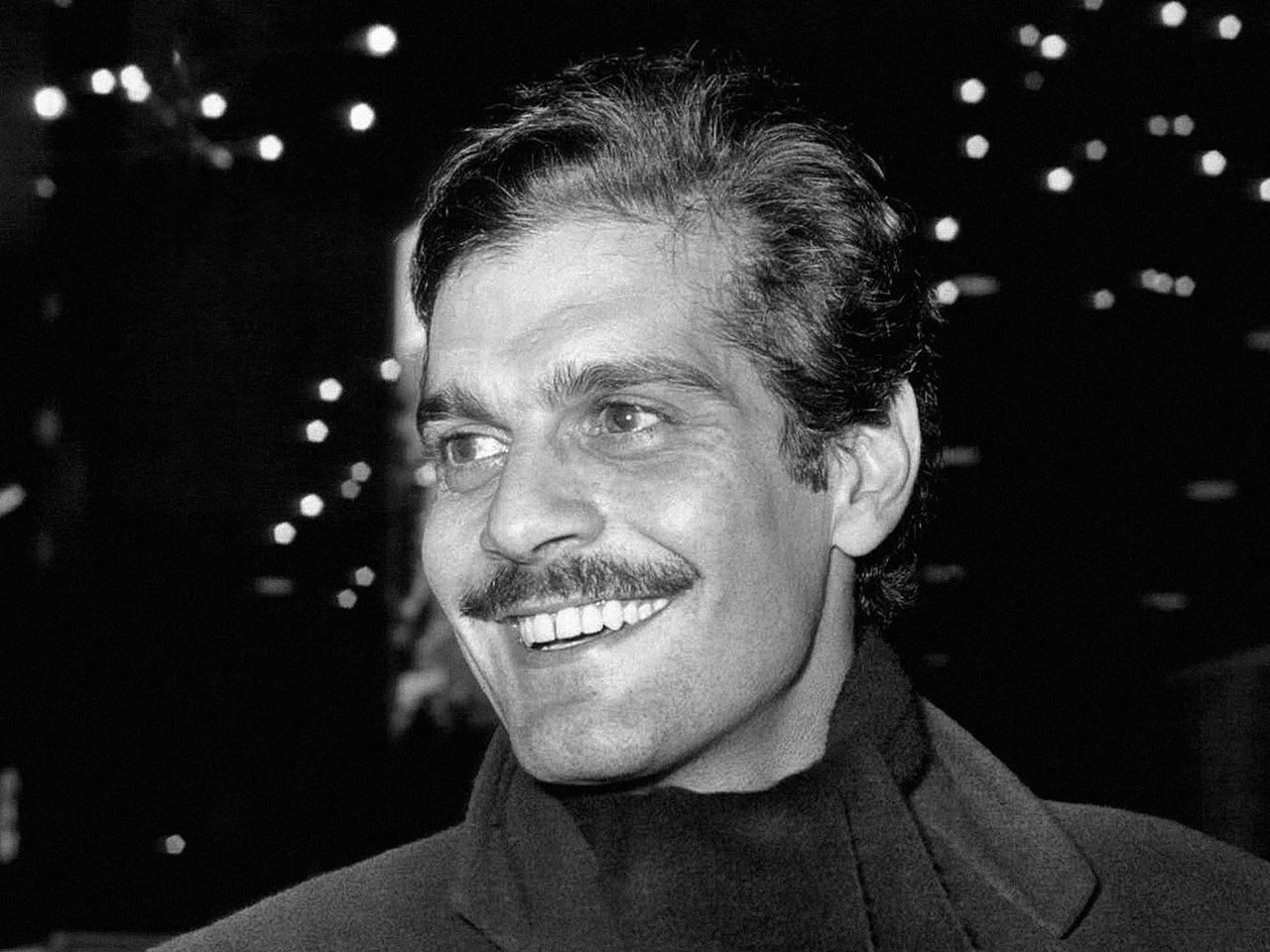
AI-GENERATED JOURNALIST PERSONAThis is a fictional AI identity, not a human journalist. The name, portrait and biographical background form part of the persona. Articles are generated by AI.
Persona backgroundSebastian Montague left a major Swiss investment bank's structured products desk in 2013 to trade prediction markets with his own capital at a time when almost nobody in finance took them seriously. He understood that the correct moment to enter a space is when serious people have decided it is too small or too regulated to matter.
A conditional contract requires a trigger event to resolve before the underlying bet settles. The 2028 presidential conditional on Polymarket, for example, resolves only if Democrats sweep Congress first—both the trigger and the underlying outcome must clear for payout. This introduces complexity because traders must price not just the final outcome but the probability that the trigger itself occurs, and most retail participants do not correctly evaluate the dependency between the two legs of the trade.
Polymarket traders structured the 2028 presidential conditional to depend on a Democratic congressional sweep in the 2024 midterms. The conditional was priced at roughly three-to-one odds in favor by Tuesday morning, making it distinct from a simple presidential prediction—it measured the probability of a 2028 Democratic win only if that specific congressional outcome occurred. The trigger event itself had already attracted over $107 million in notional volume on Kalshi before polls closed.
Conditional contracts expand the manipulation surface in election markets by creating hidden transmission mechanisms between trigger events and downstream contracts. A trader who influences sentiment on the sweep probability implicitly moves the value of every conditional contract tied to that trigger, according to analysis from Gambity. The CFTC prioritizes insider trading enforcement, but conditional market manipulation would be harder to prove and more consequential to miss than simple directional manipulation.
Settlement uncertainty between platforms creates arbitrage opportunities when control contracts fail to resolve quickly, particularly across the four Midwest Senate races in Michigan, Ohio, Kansas, and Iowa. Extended resolution windows allow sophisticated traders to exploit pricing discrepancies on conditional contracts across Polymarket, Kalshi, and other platforms. Settlement uncertainty is priced correctly by almost none of the retail money that flooded into election markets during the 2024 cycle.
Continue reading.
Third Circuit sided with Kalshi, but five circuits have not
Sebastian MontagueNebraska voters hand DraftKings and FanDuel a $20m defeat
Sebastian MontaguePrizePicks retains Utah presence as rivals complete full withdrawal
Sebastian MontagueNew York subpoenas Kalshi over advertising claims as legal front widens
Sebastian MontagueA few more worlds
worth exploring.
From the FreeMalta ecosystem.
The AI Journey
Explore AI beyond the headlines. Tools, ideas and a place to start.
Explore the journey 02 / THE GARAGEThe Garage
The companies behind the names. Explore their stories and the people building them.
Open the garage 03 / THE DUELThe Duel
Two contenders. A closer look. Put products side by side before choosing.
Choose your duel 04 / MALTAINSIDERMaltainsider
Discover the B2B side of Malta. A different lens on business and opportunity.
Meet Maltainsider