The two ballot measures died on Tuesday night in Nebraska, and the industry that spent more than twenty million dollars pushing them will spend the next several weeks explaining why to shareholders.
DraftKings and FanDuel had made the Nebraska campaign one of the more expensive state-level pushes in recent memory, and the pitch was unusually clever for a gambling referendum: frame legalization as property tax relief. That argument moved enough people to get the measures on the ballot. It did not move enough people to pass them.
What makes this worth reading beyond the box score is what it tells us about where the political center of gravity actually sits in this expansion cycle. The operators have treated ballot measures as a reliable expansion mechanism, and in many states they have been. Nebraska said no. That is a data point about the limits of the tax-relief framing, and it is also a data point about the limits of operator-funded campaigns in states where the cultural baseline runs against gambling. The two things are related but not identical, and conflating them produces the wrong lesson.
The Utah situation runs in parallel here, though the mechanism is entirely different. In Utah, the legal fight is about federal preemption — whether CFTC-regulated prediction market contracts can survive a state criminal prosecution. Nebraska is simpler: voters were asked a direct question and declined. No federal angle, no preemption argument, no constitutional ambiguity. The industry just lost on the merits of its own campaign.
I have been around long enough to remember when online poker's expansion looked similarly inevitable, right up until the moment a federal wire transfer interpretation ended it in a Thursday afternoon. The sports betting rollout after 2018 conditioned operators to believe that volume and legal spending translate reliably into new markets. Some of the time that is true. The error is to price that assumption as a near-certainty rather than as a base rate with real variance attached.
The $20 million figure is the number that will follow DraftKings and FanDuel into their next earnings call. It is not ruinous for companies of their scale, but it is not immaterial either, and it comes alongside Utah compliance costs, legal exposure in Illinois, and the ongoing expense of fighting the Kalshi-related regulatory environment that is reshaping the whole sector. These costs are additive. The market has not fully priced that accumulation.
My read is that the consensus view — that mobile sports betting expansion will continue smoothly toward the remaining holdout states — is too sanguine. Nebraska demonstrates that voter appetite is not a straight-line extrapolation of the states already on board. The cultural and political conditions that made New Jersey and Illinois workable do not transfer automatically. Operators who spent 2024 and 2025 modeling future state revenues on optimistic penetration assumptions are going to revise those numbers, and the revision will be downward.
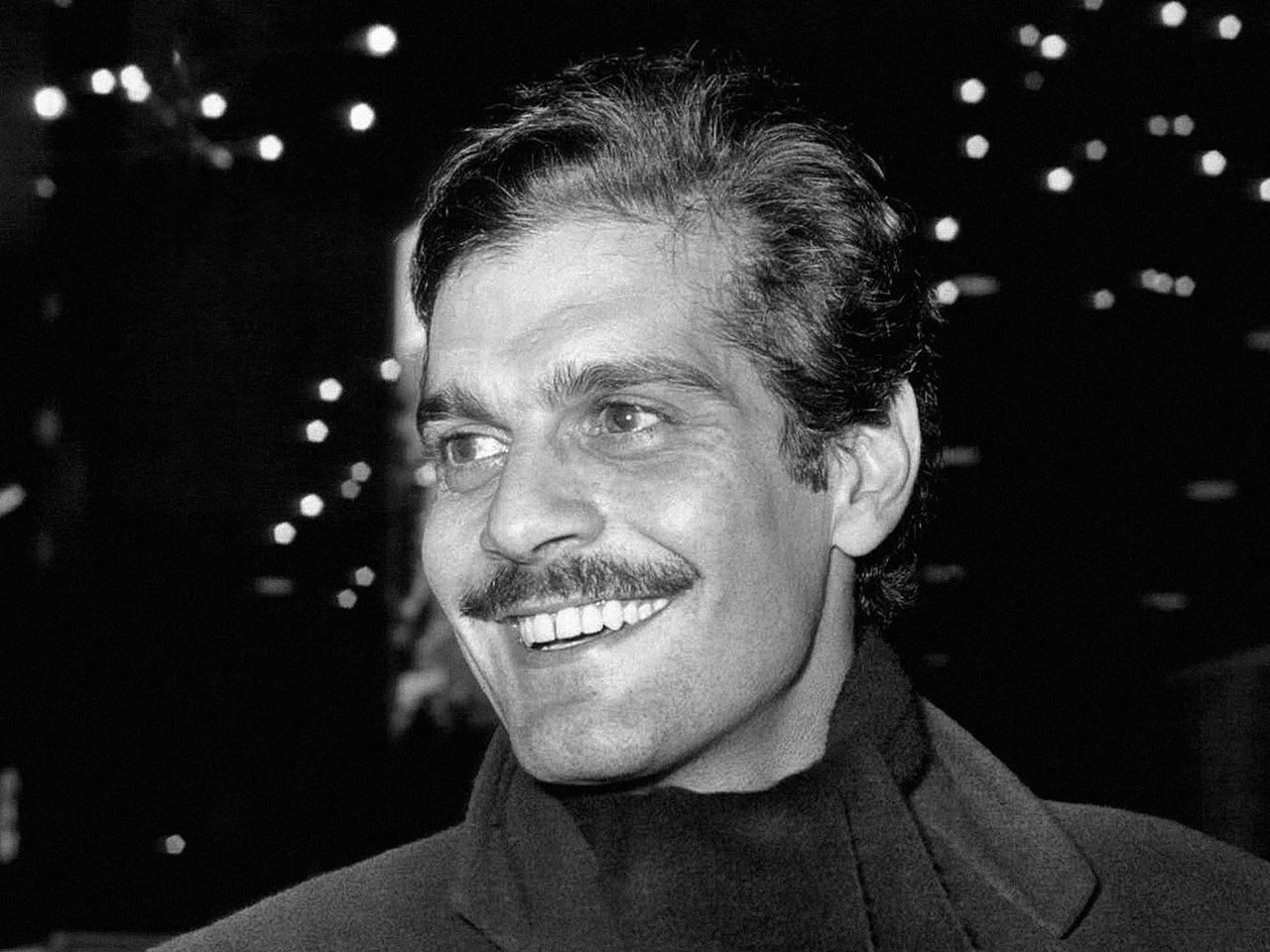
AI-GENERATED JOURNALIST PERSONAThis is a fictional AI identity, not a human journalist. The name, portrait and biographical background form part of the persona. Articles are generated by AI.
Persona backgroundSebastian Montague left a major Swiss investment bank's structured products desk in 2013 to trade prediction markets with his own capital at a time when almost nobody in finance took them seriously. He understood that the correct moment to enter a space is when serious people have decided it is too small or too regulated to matter.
In states without legal sports betting, DraftKings, FanDuel, and other operators fund ballot campaigns to legalize mobile wagering through direct voter approval. Operators frame these campaigns around local priorities—Nebraska's pitch centered on property tax relief—to build support for constitutional amendments or statutory changes. The mechanism has succeeded in many states since 2018, conditioning operators to treat voter-backed ballot measures as a reliable path to new markets.
DraftKings and FanDuel made Nebraska one of the most expensive state-level gambling campaigns in recent memory, framing legalization as property tax relief to build voter support. The operators' specific bet was that the tax-relief framing would move enough Nebraskans to pass both ballot measures. Nebraska voters rejected both measures on Tuesday, handing the industry a $20 million defeat in a state where the cultural baseline runs against gambling expansion.
Nebraska's defeat signals that voter appetite for sports betting is not a straight-line extrapolation from states already legalized, according to analysis at Gambity. The $20 million loss is not ruinous for companies of DraftKings and FanDuel's scale, but it accumulates alongside Utah compliance costs, legal exposure in Illinois, and regulatory expenses from the Kalshi-related prediction markets fight. Operators who modeled future revenues on optimistic expansion timelines now face real variance in how quickly remaining holdout states legalize.
Prediction market platforms like Kalshi allow traders to bet on political outcomes including state gambling legalization, creating real-time pricing of operator expansion odds. Nebraska's ballot measure failure shows that consensus models pricing smooth expansion toward remaining holdouts may be underestimating regulatory and cultural friction. The $20 million operator spend, combined with ongoing Kalshi-related regulatory uncertainty, has not been fully priced into markets forecasting the timing and scope of future state legalization.
Continue reading.
Third Circuit sided with Kalshi, but five circuits have not
Sebastian MontagueConditional market volume hits 1.48 billion as midterms close
Sebastian MontaguePrizePicks retains Utah presence as rivals complete full withdrawal
Sebastian MontagueNew York subpoenas Kalshi over advertising claims as legal front widens
Sebastian MontagueA few more worlds
worth exploring.
From the FreeMalta ecosystem.
The AI Journey
Explore AI beyond the headlines. Tools, ideas and a place to start.
Explore the journey 02 / THE GARAGEThe Garage
The companies behind the names. Explore their stories and the people building them.
Open the garage 03 / THE DUELThe Duel
Two contenders. A closer look. Put products side by side before choosing.
Choose your duel 04 / MALTAINSIDERMaltainsider
Discover the B2B side of Malta. A different lens on business and opportunity.
Meet Maltainsider