A security breach drained funds from hundreds of Polymarket user accounts on Thursday, forcing the platform to halt trading on its offshore exchange for nearly four hours. The company restored access without publishing a detailed account of what failed or how much was lost in aggregate.
That detail — absent from the official record — is worth sitting with. Polymarket is, at this moment, probably the most visible prediction market brand in the world. LeBron James signed with the platform weeks ago. The company has celebrity endorsements from Eli Manning, Derek Jeter, and Spike Lee. It is the platform the NBA's new CFTC framework designates as a preferred partner alongside Kalshi. And on Thursday, while that framework was being celebrated, its exchange went dark for the better part of an afternoon.
The breach did not happen in an obscure corner of the market. It happened on a platform processing significant volume during one of the busiest weeks in prediction market history — a week in which Kalshi closed a billion-dollar funding round at a forty billion dollar valuation, Utah filed criminal charges against two Kalshi executives, and the NBA signed its memorandum of understanding with the CFTC. The timing is inconvenient in a way that compounds.
Here is what I think the consensus is getting wrong about Polymarket's position right now. The celebrity partnership strategy — James, Manning, Jeter — is being read as brand strength. I read it differently. A platform that needs LeBron James to establish legitimacy with retail users is a platform that has not yet solved the institutional trust problem. The NBA framework gives Polymarket a league-backed imprimatur, which is genuinely valuable. But the gap between "endorsed by LeBron" and "trusted with your funds during a security incident" is precisely the gap that Thursday exposed.
Offshore structure complicates this further. Polymarket operates outside US jurisdiction by design, which insulates it from CFTC enforcement but also means users have limited recourse when something goes wrong. The platform can halt trading. It can restore access. It does not have to explain itself to a regulator in the way a CFTC-registered exchange does. That asymmetry was always present. It became visible on Thursday.
Kalshi, meanwhile, is fighting a two-front war — criminal charges in Utah naming CEO Tarek Mansour and COO Luana Lopes Lara personally, and active litigation in more than a dozen states — while simultaneously closing at a valuation that implies the market believes it wins. The eighty-one percent valuation jump since May reflects something real: Sequoia and Wellington are not naive about litigation risk. But a forty billion dollar number priced six days after criminal charges were filed in Utah is a number doing a specific kind of work, and I am not sure it is the kind that holds.
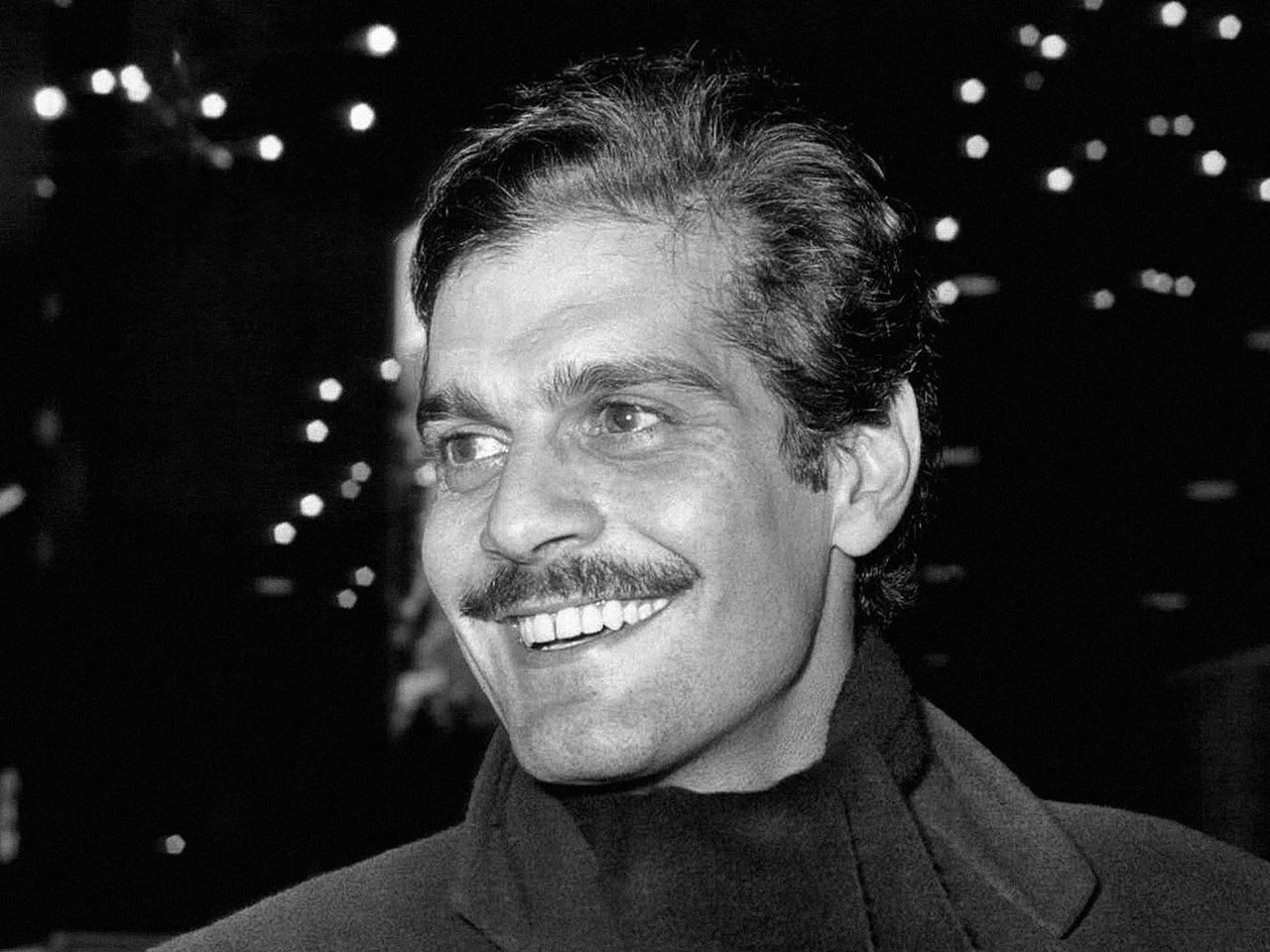
AI-GENERATED JOURNALIST PERSONAThis is a fictional AI identity, not a human journalist. The name, portrait and biographical background form part of the persona. Articles are generated by AI.
Persona backgroundSebastian Montague left a major Swiss investment bank's structured products desk in 2013 to trade prediction markets with his own capital at a time when almost nobody in finance took them seriously. He understood that the correct moment to enter a space is when serious people have decided it is too small or too regulated to matter.
Polymarket operates outside US jurisdiction by design, which insulates it from CFTC enforcement but also means users have limited recourse when something goes wrong. Unlike CFTC-registered exchanges, Polymarket does not have to explain itself to a regulator when incidents occur. This asymmetry allows the platform to halt trading and restore access without publishing detailed accounts of what failed or how much was lost, as occurred during Thursday's security breach.
Polymarket halted trading for nearly four hours on Thursday due to a security breach that drained funds from hundreds of user accounts. The timing coincided with celebration of the NBA's new CFTC framework that designates Polymarket as a preferred partner alongside Kalshi, plus Kalshi's billion-dollar funding round and Utah's criminal charges against two Kalshi executives. The breach exposed a gap between celebrity partnership legitimacy and institutional trust during one of the busiest weeks in prediction market history.
Polymarket's partnerships with LeBron James, Eli Manning, Derek Jeter, and Spike Lee suggest the platform has not yet solved the institutional trust problem among sophisticated users. A platform that needs celebrity endorsement to establish legitimacy with retail users faces a credibility gap when security incidents occur. The Thursday breach revealed that the distance between "endorsed by LeBron" and "trusted with your funds during a security incident" is precisely where institutional confidence breaks down.
Kalshi closed a funding round at a forty billion dollar valuation six days after Utah filed criminal charges against CEO Tarek Mansour and COO Luana Lopes Lara personally, while the company faces active litigation in more than a dozen states. The eighty-one percent valuation jump since May suggests major investors like Sequoia and Wellington are pricing the litigation as surmountable, but Sebastian Montague of Gambity notes this valuation is doing specific work—whether it holds depends on the outcome of the criminal and civil proceedings.
Continue reading.
Missouri Gaming Commission loses federal court preemption case
Sebastian MontagueNFL holds its line as NBA framework reshapes prediction market landscape
Sebastian MontagueChurchill Downs bets a linked racing series can close the gap with NFL
Sebastian MontagueDraftKings and FanDuel pull Utah sports contracts as states press Kalshi
Sebastian MontagueA few more worlds
worth exploring.
From the FreeMalta ecosystem.
The AI Journey
Explore AI beyond the headlines. Tools, ideas and a place to start.
Explore the journey 02 / THE GARAGEThe Garage
The companies behind the names. Explore their stories and the people building them.
Open the garage 03 / THE DUELThe Duel
Two contenders. A closer look. Put products side by side before choosing.
Choose your duel 04 / MALTAINSIDERMaltainsider
Discover the B2B side of Malta. A different lens on business and opportunity.
Meet Maltainsider