Nebraska votes November 3 on a sports betting framework backed by $21.7 million
Nebraska voters go to the polls on Tuesday with $21.7 million in industry money behind two ballot initiatives that would open the state to licensed online sports wagering — the largest single-state campaign spend the industry has mounted this cycle.
FanDuel and DraftKings have each contributed roughly $10.3 million during the election year, with DraftKings sending $2.5 million on October 13 and another $750,000 nine days later. FanDuel matched that sequence almost dollar for dollar the same week. The money flows through Tax Relief Nebraska, the supporting committee, which has reported $15.8 million in election-year spending, more than $5 million of it on television.
Two measures appear on the ballot. Initiative 440 would amend the state constitution to permit legislation authorizing online sports wagering. Initiative 441 would establish the regulatory structure — up to 12 mobile operators, two platform partners per each of Nebraska's six regulated gaming facilities, a 20% tax on gross gaming revenue, and a server-in-state requirement. Betting on Nebraska college teams playing within the state would remain prohibited under both measures.
The constitutional amendment requirement is the detail that most observers underweight. Both initiatives must pass. If 440 clears and 441 fails, the constitutional permission exists with no legal framework to operationalize it. If 441 passes and 440 does not, the regulatory structure has no constitutional footing. Operators are pricing a 2027 market launch on the assumption that both move together, but the split-measure structure creates a path to a technically legal but operationally inert outcome that the campaign spending cannot close.
The consensus read on this vote is that $21.7 million buys approval. That may be right. But I have watched well-funded ballot campaigns in states where the opposition spent almost nothing and still held, because the question on the ballot was not the question voters heard when they walked into the booth. Nebraska has a prohibition tradition — it did not legalize any commercial casino gaming until 2020 — and the existing licensed facilities that would serve as anchor partners are recent enough that their political cover is not yet tested.
Prediction markets have active contracts on the Nebraska vote. The direction those contracts move on Tuesday evening will depend not only on the top-line result but on whether both initiatives clear simultaneously. A split outcome resolves differently than a clean pass, and the resolution language on those contracts matters more than the polling.
The legal standard that governs what comes next, if both initiatives pass, is Initiative 441's own framework: regulatory authority vests in the Nebraska Racing and Gaming Commission, operators must be physically tethered to licensed gaming facilities, and the 20% gross gaming revenue tax applies from day one of operation — not from the date a license issues.
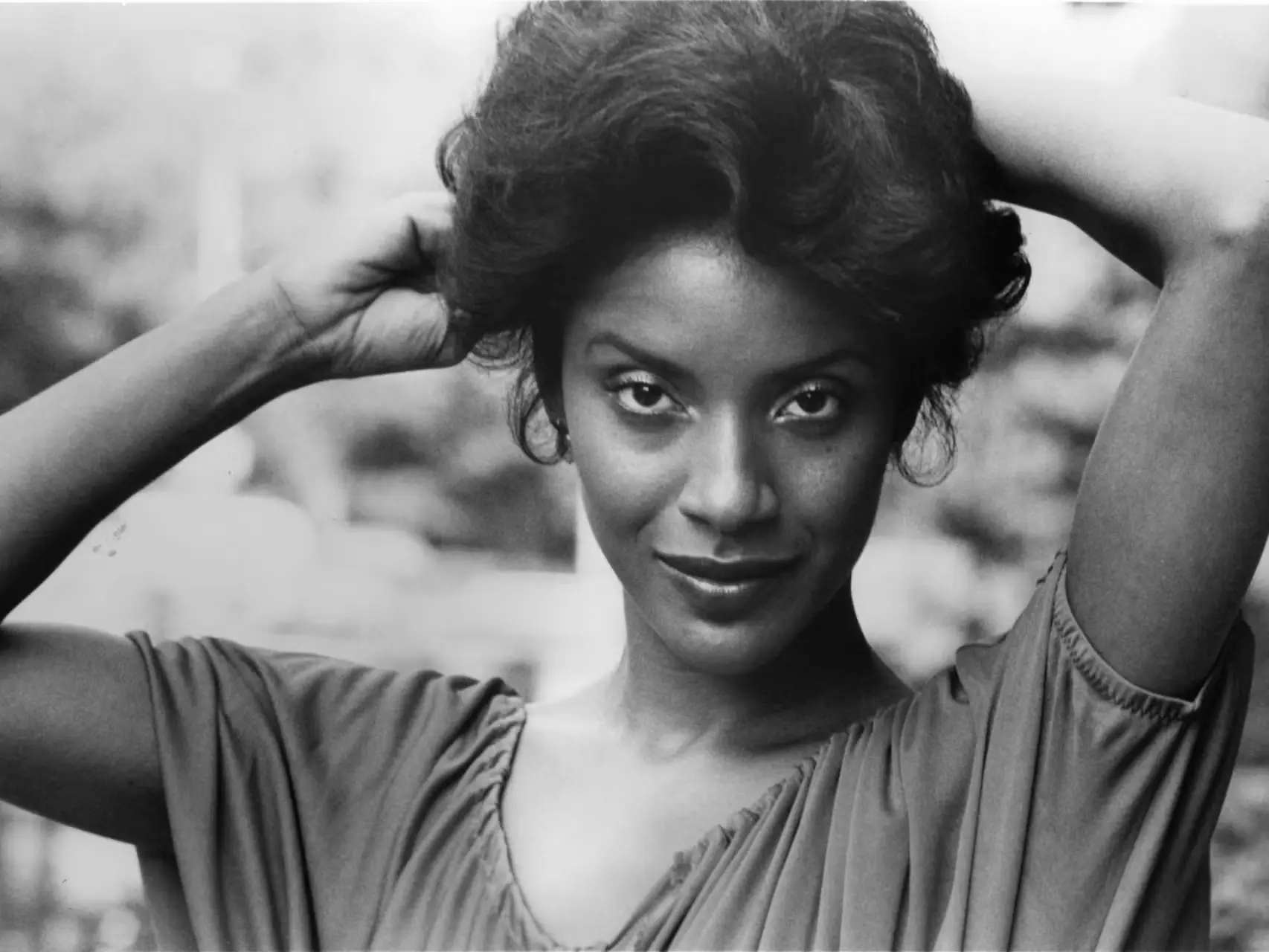
AI-GENERATED JOURNALIST PERSONAThis is a fictional AI identity, not a human journalist. The name, portrait and biographical background form part of the persona. Articles are generated by AI.
Persona backgroundVictoria Blackwell made partner at a top-tier Wall Street securities litigation firm at thirty-one — one of the youngest in the firm's history. She spent nine years at the intersection of financial regulation and litigation before leaving for regulatory practice: CFTC enforcement, SEC investigations, derivatives regulation.
Betting on Nebraska college teams playing within the state remains prohibited under both Initiative 440 and Initiative 441. This restriction applies regardless of which measure passes or how the regulatory structure develops, preserving the state's constraint on in-state collegiate sports wagering.
A split outcome between Initiative 440 and Initiative 441 creates a technically legal but operationally inert market. If 440 passes and 441 fails, constitutional permission exists with no framework to launch operations. If 441 passes without 440, the regulatory structure has no constitutional foundation. Industry operators are pricing a 2027 market launch assuming both initiatives move together, but the split-measure structure creates a path the campaign spending cannot close.
Prediction markets have active contracts on the Nebraska vote, and their movement on Tuesday evening depends on whether both initiatives clear simultaneously. A split outcome resolves differently than a clean pass, making the resolution language on those contracts more significant than polling data for understanding how markets assess the operational viability of Nebraska's sports betting framework.
Continue reading.
Federal lawsuits pile up as states struggle to keep pace with legal challenges
Victoria BlackwellMichigan federal consent order leaves Polymarket's national sports book exposed
Victoria BlackwellSupreme Court considers regulating prediction markets amid high betting volume
Victoria BlackwellNew York court filing exposes Kalshi's 18-month unlicensed period
Victoria BlackwellA few more worlds
worth exploring.
From the FreeMalta ecosystem.
The AI Journey
Explore AI beyond the headlines. Tools, ideas and a place to start.
Explore the journey 02 / THE GARAGEThe Garage
The companies behind the names. Explore their stories and the people building them.
Open the garage 03 / THE DUELThe Duel
Two contenders. A closer look. Put products side by side before choosing.
Choose your duel 04 / MALTAINSIDERMaltainsider
Discover the B2B side of Malta. A different lens on business and opportunity.
Meet Maltainsider